California Vineyard Visits: When the Winery Is Also a Working Farm
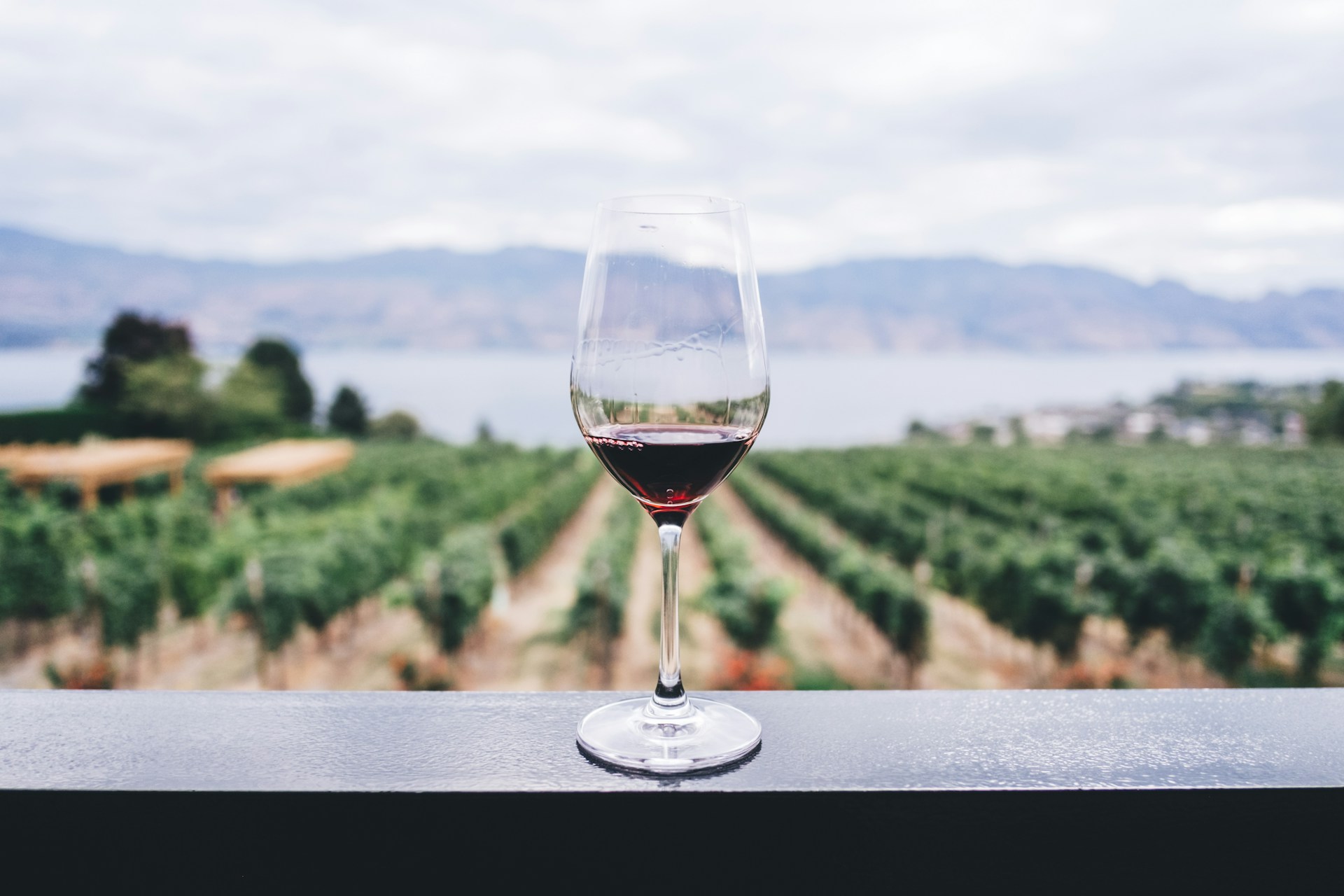
A glass of wine is a fine reason to visit a vineyard, but it's rarely the whole story at California's most interesting farm estates. Across the state, from Napa Valley to the Santa Ynez foothills, some of the most compelling vineyard experiences are built around everything happening outside the tasting room: organic gardens, rescue animal sanctuaries, farm-to-table kitchens, seasonal produce, and hands-on activities that have nothing to do with what's in your glass.
California vineyard visits at their best are a form of agritourism, a day or a farm stay weekend spent on a working piece of land where wine is one product among many. The farms that do this well tend to share a few qualities: genuine agricultural operations, activities that invite visitors in rather than keeping them at arm's length, and food that comes directly from the land you're standing on.
What Makes a Vineyard Visit Feel Like a Farm Experience
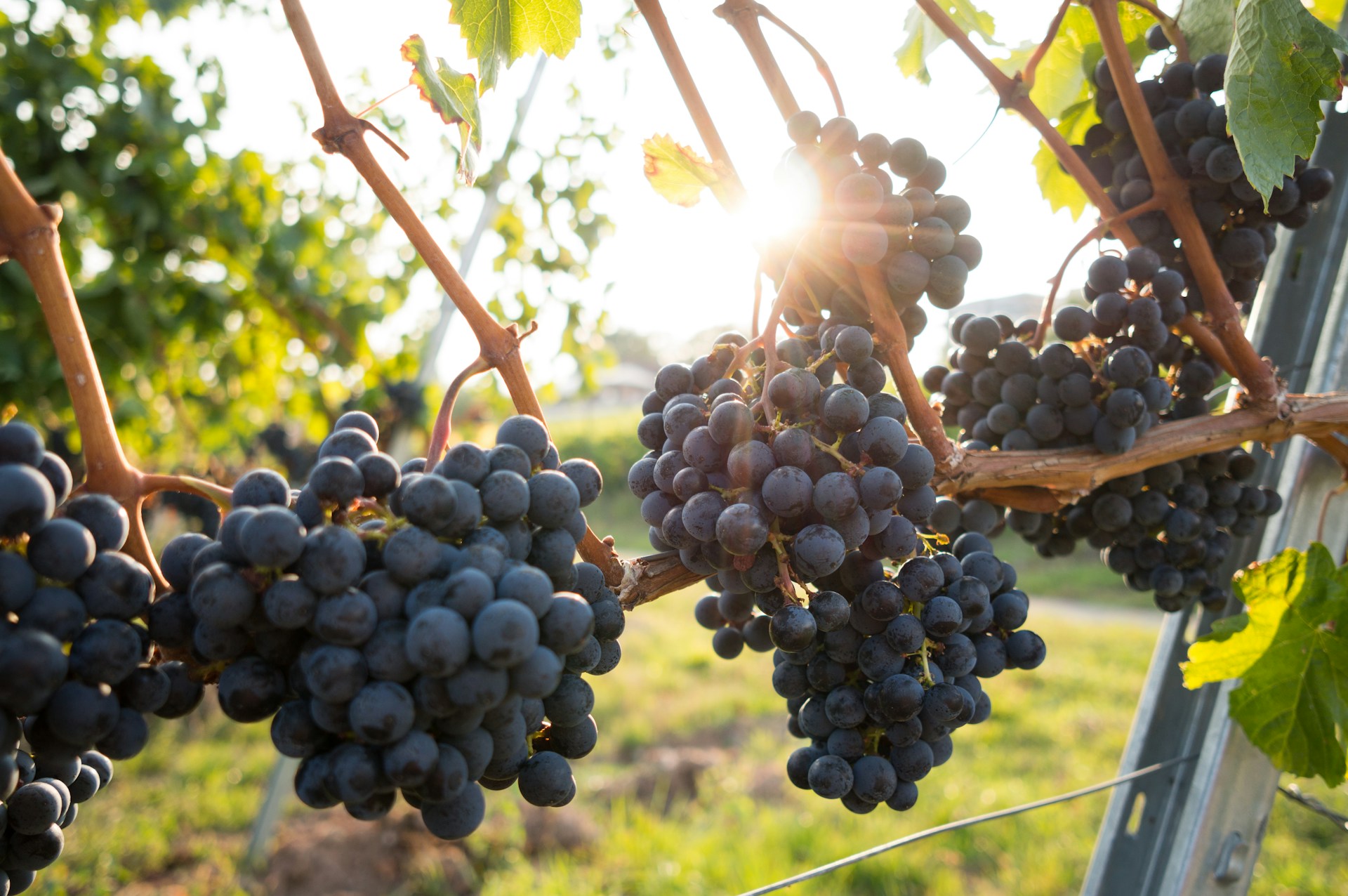
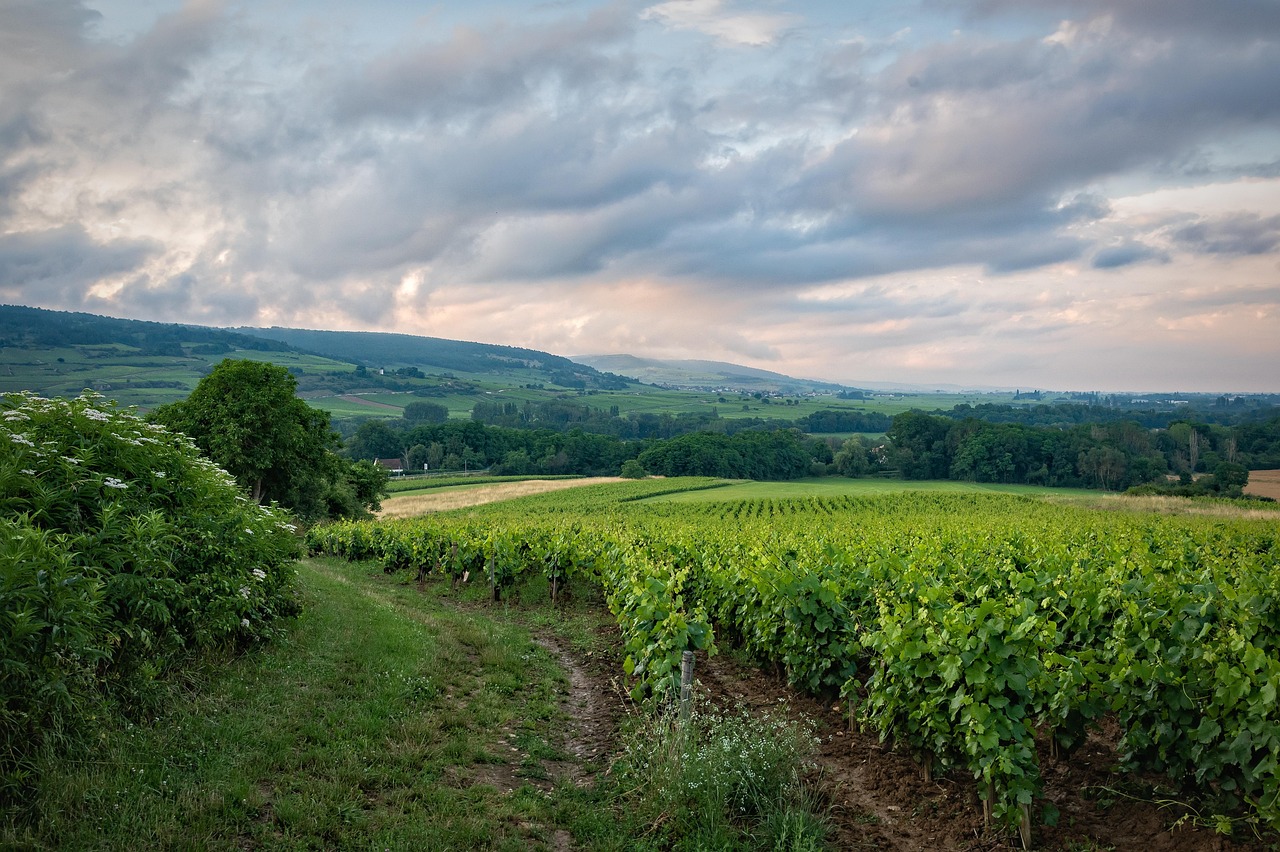
The difference between a standard winery visit and a full farm experience usually comes down to what else is growing and who's tending it. A tasting room inside a historic winery is a pleasure on its own, but when the tour includes a walk through sustainably farmed estate vineyards, a look into the cellar, and a curated tasting of wines poured from the exact rows you just walked through, the wine starts to mean something different. You've seen the soil, watched how the vines are spaced, and heard about the farming decisions behind the vintage.
The same applies to farms that have built food programs around their vineyards. When a farm's kitchen sources produce from an estate organic garden and pairs it with wines made from grapes grown a few hundred feet away, the phrase farm-to-table moves from marketing language to something you can actually taste. Estate dining experiences, weekend brunches, and seasonal menus designed around what's ready in the garden are increasingly common at California's most engaged vineyard farms, and they tend to be the part of the visit people talk about longest.
The Farms That Go Furthest Beyond the Bottle
Some California vineyards have built entire parallel agricultural worlds alongside their wine programs. A regenerative farm model layers organic gardening, animal care, and biodiversity work directly into the vineyard property, so a visitor's afternoon might include wine by the mini bottle at an outdoor table, a walk through an organic garden, and time spent with rescue animals living on the land. That combination, wine plus working farm plus genuine animal sanctuary, draws a different kind of visitor than a traditional tasting room, and it draws families who might not have considered a vineyard visit at all.
In Santa Barbara wine country, the overlap between working farm and winery is sometimes literal. Ranches with long agricultural histories that predate their current wine programs often carry that layered identity into the visitor experience: Italian varietals grown on a historic estate where the gardens are still productive, the farm animals are still present, and tractor rides to visit resident animals are on the same afternoon agenda as wine flights and weekend brunch. These are places where children and adults find equal footing, which is not something most tasting rooms can say.
Let us help you find a farm.
Tell us what kind of California farm experience you're looking for, and we'll map it out for you.
Further north, in Napa Valley's older farms offer education and history. A winery housed in a building on the National Register of Historic Places, on land farmed continuously for well over a century, offers a different kind of depth. Walking those vineyards with a guide who can explain the relationship between the cool Oak Knoll microclimate and the rare Riesling vines still growing there is the kind of specificity that turns a nice afternoon into something you remember. Add a cooking class series that has been running for more than twenty years, a pairing menu designed around estate wines, and you have an experience that goes several layers deep before you've left the property.
Planning a California Vineyard Visit With More on the Agenda
A tractor ride, a farm tour, a seated tasting with food pairing, or a morning in a cooking class are all experiences designed for a manageable number of guests at a time. Booking ahead is worth it both for availability and for having time to choose the experience that fits your group. A family with children will look for something different than a couple celebrating an anniversary or a small group of wine-focused friends.
Seasonality shapes these visits more than it does a standard winery trip. A visit in late summer brings stone fruit and tomatoes in from the estate garden. Fall harvest brings the vineyards to life in a way that's worth timing a trip around. Spring is when baby animals appear on farms that raise livestock, and it's often the prettiest the land will look all year.
Whether you're after a deep dive into wine and food or something more like a working farm afternoon that happens to end with a glass in hand, California's farm vineyards have more range than most visitors expect going in.
Browse California vineyards to find working farms with tastings, farm experiences, and activities across the state.