Pumpkin Patch in Texas: The Ultimate Fall Family Tradition
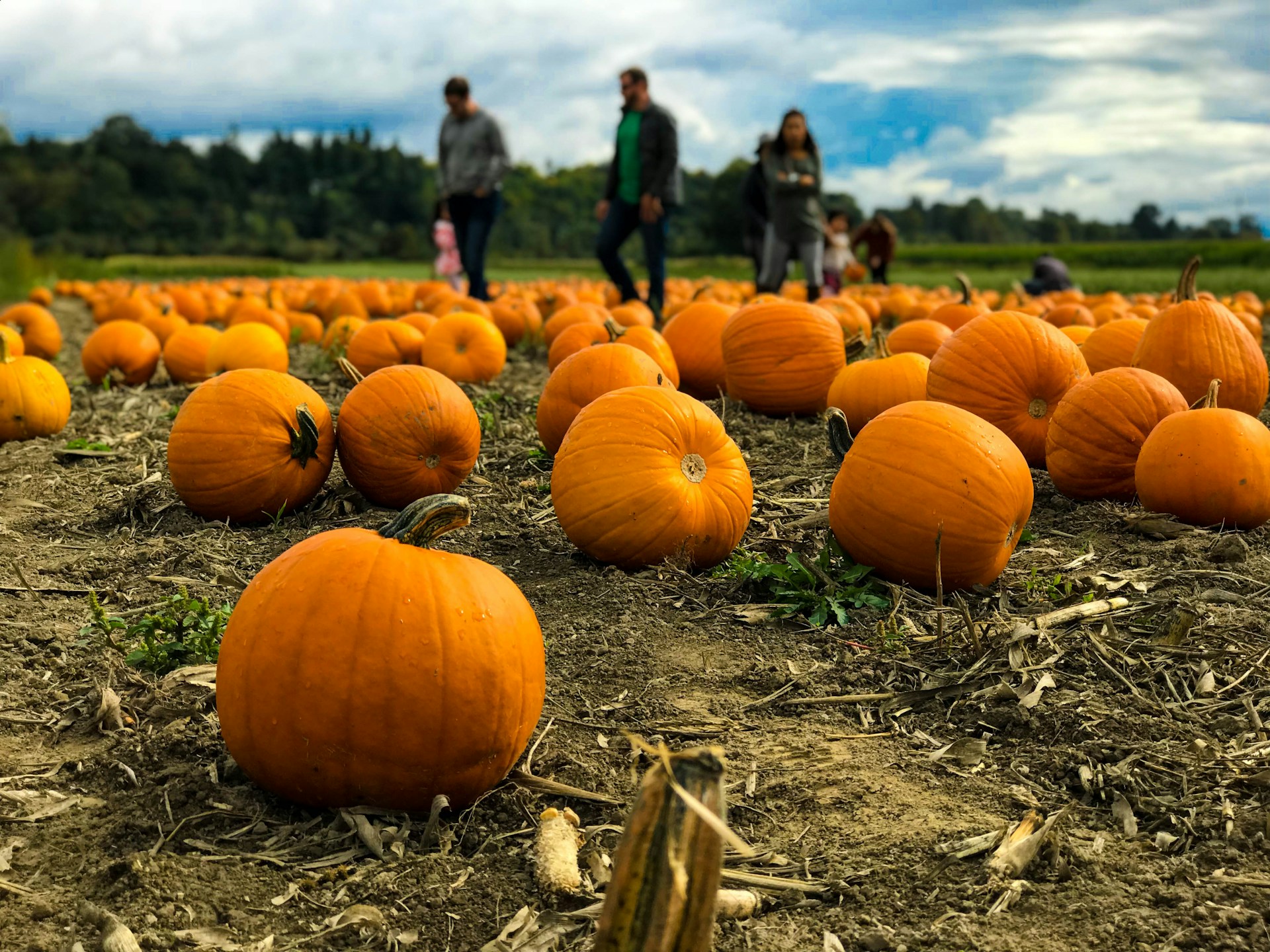
Visiting a pumpkin patch in Texas means something different depending on which direction you point the car. Drive toward the Houston corridor on a Saturday morning and you find yourself in a full-scale autumn carnival — barrel trains rattling across the fields, kids sprinting between rows, and the parking lot filling up before ten. Head instead toward the Hill Country and you park under a pecan tree while the farmer's dog trots over to investigate your boots. Both versions are real Texas, and both put you in the middle of a working farm that has spent months getting this crop ready for your family.
How Texas Pumpkin Fields Grow
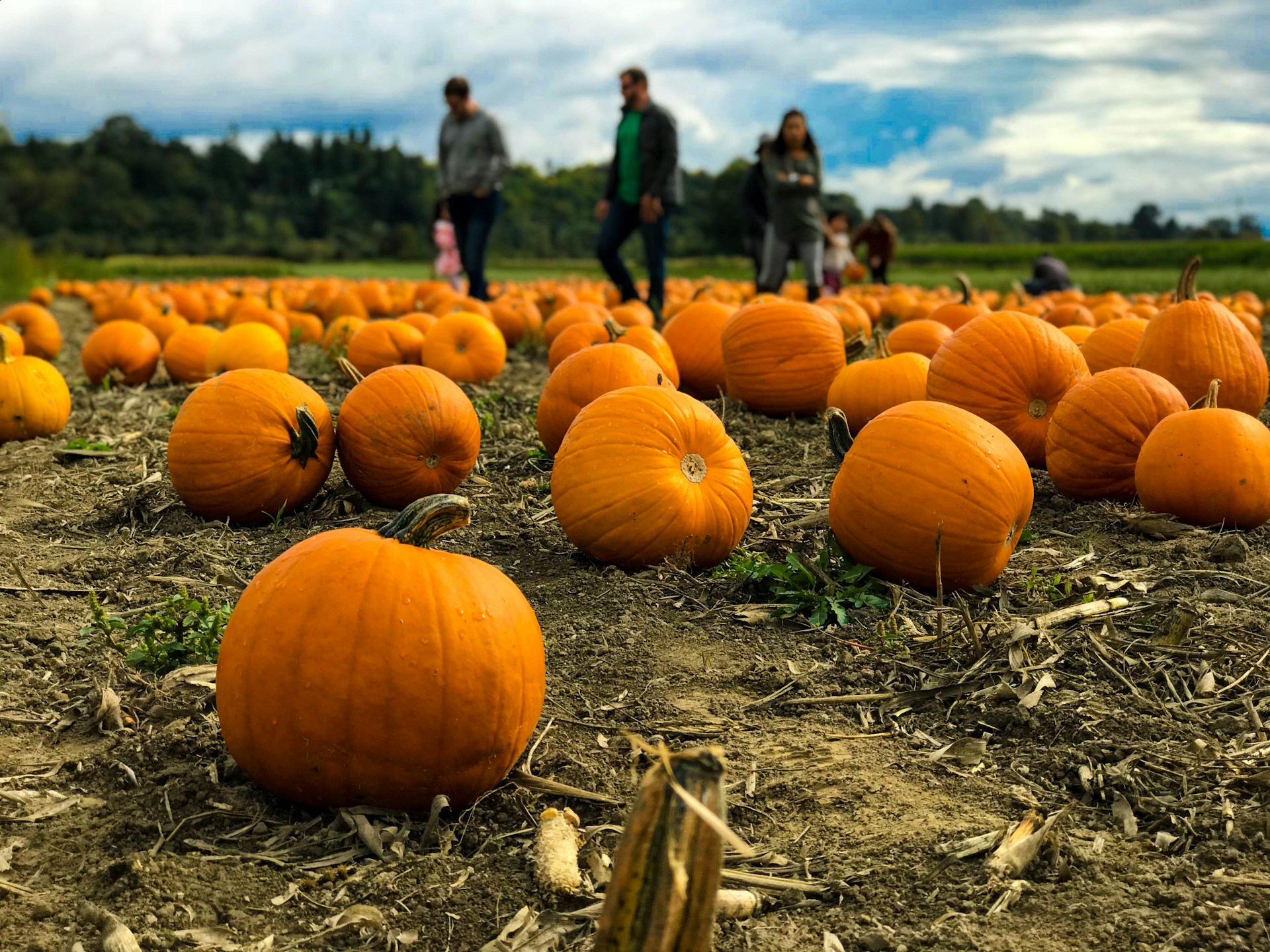
Growing pumpkins in Texas means managing soil that has its own strong opinions about the weather. In dry stretches the ground bakes into deep cracked clay that holds the vines tight and steady, but a good rain can turn those same fields soft and yielding within a day. Growers plant their rows wide enough for wagons and families to move through comfortably, with the heaviest specimens sitting low and orange against the pale dust. White pumpkins and smooth-skinned decorative gourds tend to cluster near the front of the field because Texas families load their front porches with them from October straight through Thanksgiving.
Following the Fall Harvest
The Texas pumpkin season opens warm and stays that way through most of October, with afternoon light that turns the fields a deep amber gold well into the evening hours. Early visitors in late September find the classic orange carving varieties at their freshest, skins still tight and stems still green from the vine. By mid-October the specialty varieties arrive in force — blue-grey Jarrahdales, pale Cinderellas, and the small sugar pumpkins that serious pie bakers look for in the back rows. The fields thin out noticeably after Halloween as families shift their focus to Thanksgiving decorating, making late October a quieter and often more rewarding time to visit.
What to Know Before Your Pumpkin Patch in Texas Visit
A day in the Texas fields is casual by nature but a little preparation makes it more comfortable. Closed-toe shoes handle the uneven ground well, especially after recent rain when the soil goes soft and wagon wheels leave deep ruts between the rows. Bigger operations near the cities fill their lots fast on weekend mornings, so arriving at opening gives you first pick of the field and a cooler start to the day. Smaller farms often run on cash at the field stations even if the main barn takes cards, so tucking a few bills in your pocket saves time. Many farms provide their own wagons and totes, which means you can leave the stroller in the trunk and let the kids pull their own haul back to the car.
Beyond the Pumpkin Rows
Texas farms build their autumn properties around a full day rather than a single errand. Depending on where you go, the afternoon might include a hayride out to the back fields, a corn maze cut fresh each season, or a petting area where younger kids can feed goats while older ones navigate the straw bale obstacle course. Some farms lean into the food side of the visit, running weekend concessions with smoked meats, kettle corn, and fresh-pressed apple cider served from the barn. Others keep things quieter, letting the fields and the open sky do the work while families spread out across the property at their own pace.
Let us help you find a farm.
Tell us what kind of Texas farm experience you're looking for, and we'll map it out for you.
Exploring More Farms in the Lone Star State
An afternoon among the gourds opens up a longer relationship with the Texas countryside if you let it. Families who discover a favorite farm in October often find themselves returning in spring to walk the fragrant purple rows during lavender picking in Texas when the Hill Country looks completely different under softer light. Others decide that a day trip is never quite enough and start looking into Texas farm stays, booking a night on a working property to catch the stars that come out thick and low once the highway noise fades. Spreading your visits across different seasons gives the land a chance to show you everything it can do.
Keeping the Fields Open
A pumpkin crop starts months before you arrive, with soil preparation, planting, and weeks of careful watering that happen long before the first orange color shows through the green vines. When your family loads a wagon and spends an afternoon working through the rows, that afternoon is what makes the next season possible for the people who farm this land. These open fields sitting between the subdivisions and the highway are not accidental — they are the result of families choosing year after year to keep farming rather than sell.
Browse farms that offer pumpkin patch in Texas to plan your trip.