Washington Lavender Farms: Summer Days in Purple Sequim Fields
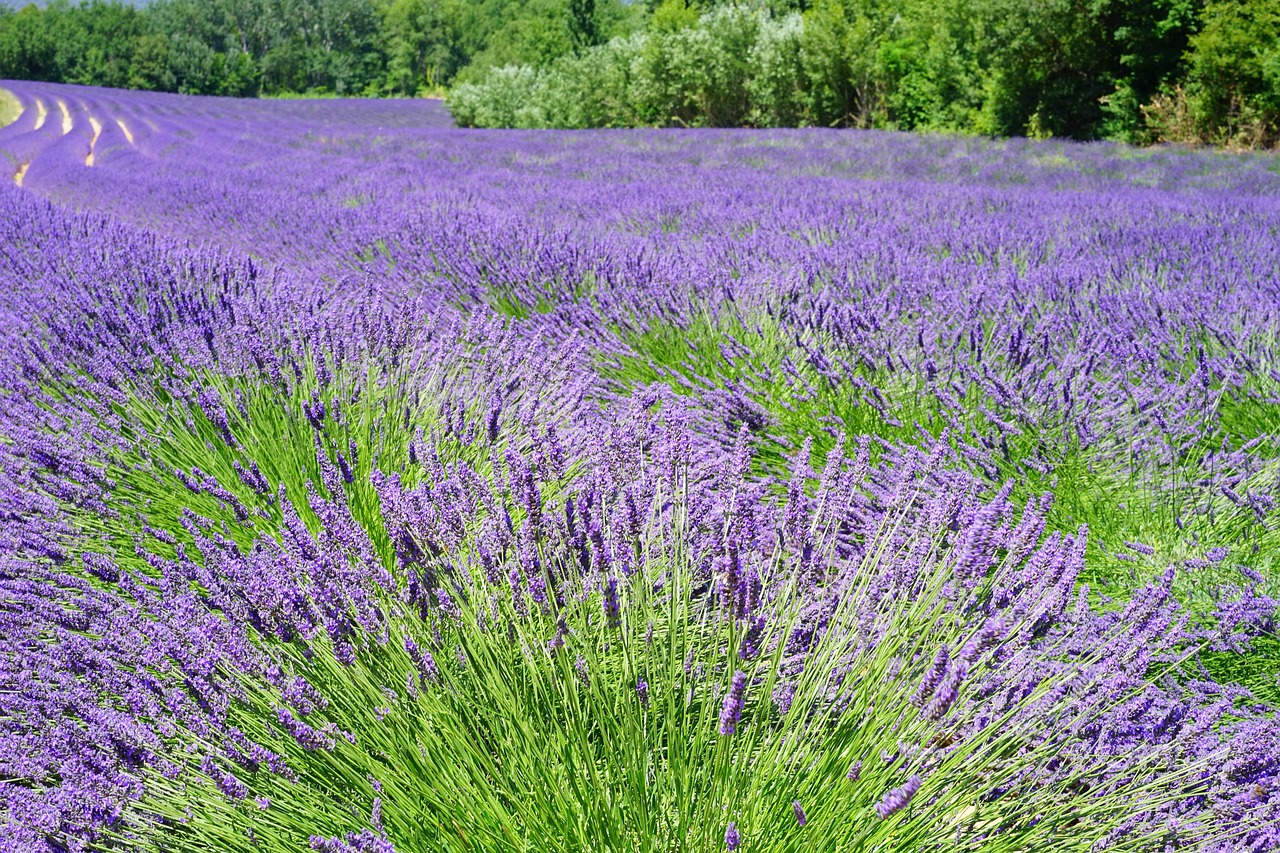
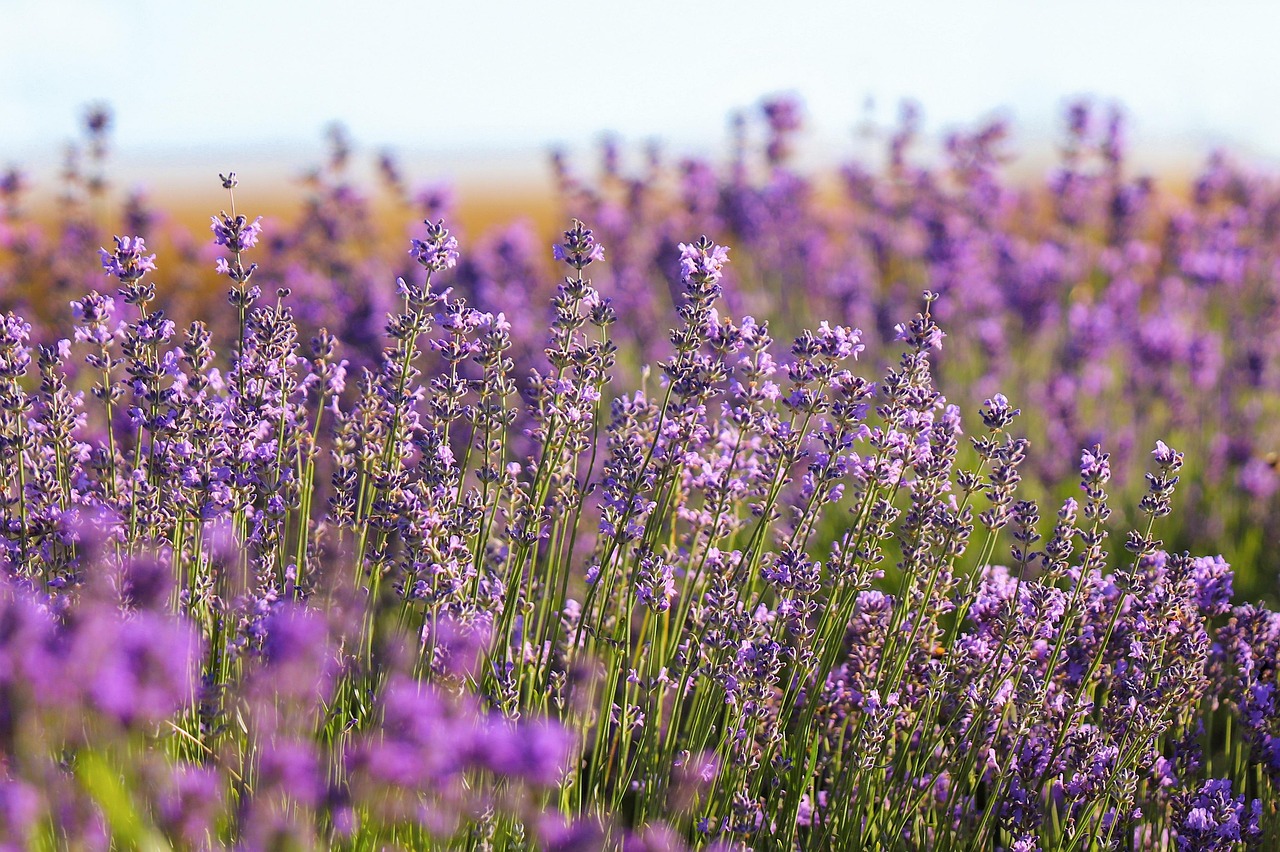
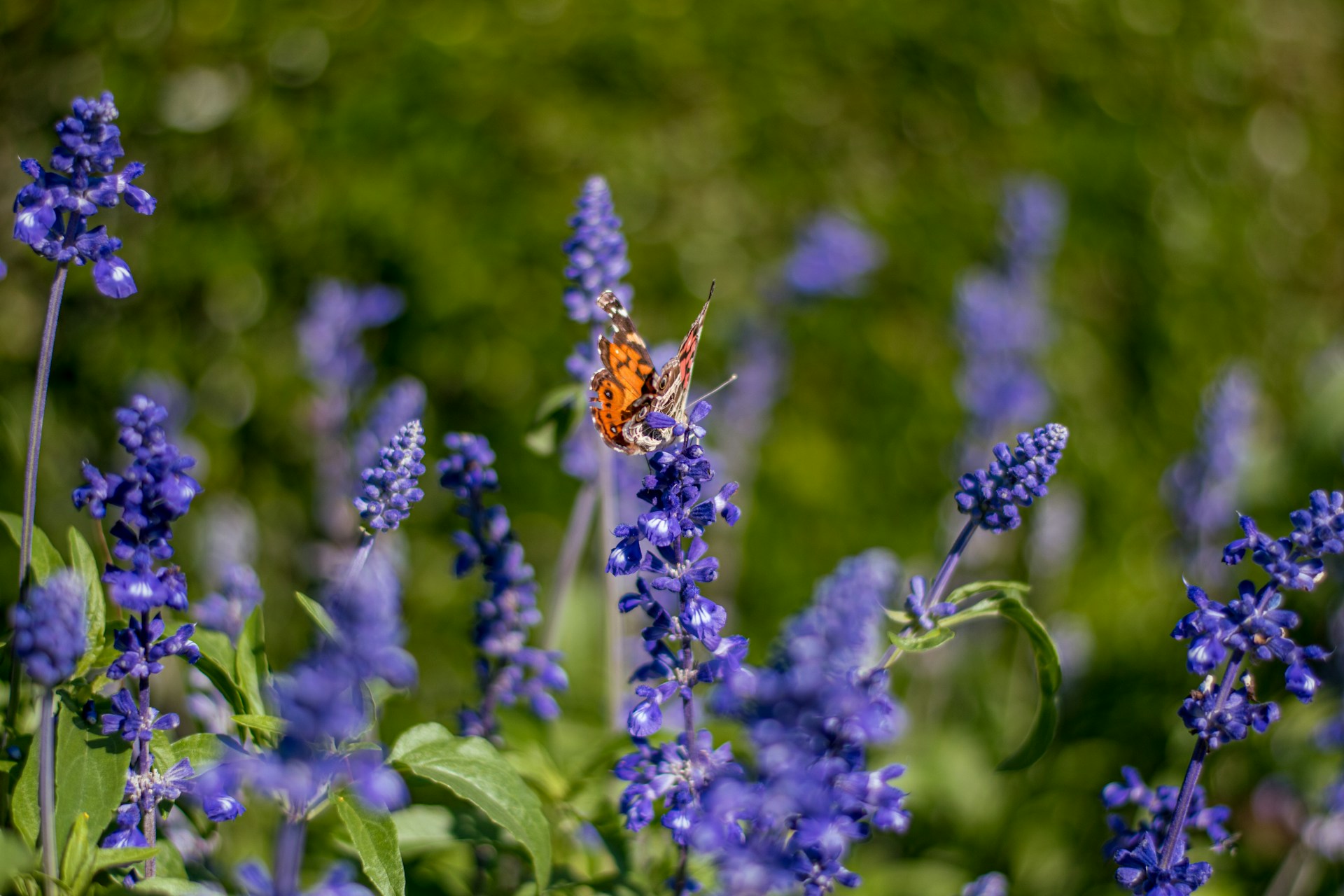
Sequim lavender farms turn a quiet corner of the Olympic Peninsula into a patchwork of purple each summer, with honeybees humming through the rows and the herbal scent of lavender oil drifting across sun-baked fields.
What Makes Sequim Lavender Farms Special
Sequim sits in the rain shadow of the Olympic Mountains, which gives the Dungeness Valley far more sunshine and far less rain than much of western Washington. That dry, bright climate suits lavender, and the fields spread across gently rolling land with the mountains rising to the south and the Strait of Juan de Fuca to the north. The air is cool and clean even on warm days, and the color of the rows deepens as the season builds.
The fields change with the hours. Early mornings are quiet and cool, with light slanting low across the rows and the first bees just beginning their work. By midday, the warmth lifts the fragrance from the plants, and a gentle breeze carries it across the valley, so the scent reaches a visitor well before the fields come into view. Evenings bring softer light and a calm that settles over the farms as the day's visitors head home.
The farms themselves vary widely in scale and setting. Some lavender farms are large, historic family homesteads, with long rows running out from a farmhouse and barns that have stood for generations. Others are small boutique plots tucked into working orchards or coastal cider farms, or laid out beside quiet ponds where the only sounds are bees and birdsong. West of Sequim, toward Port Angeles, the land tilts toward the water and lavender grows on bluffs with views over the strait. Whether sprawling or intimate, Sequim lavender farms share a landscape of purple rows, open sky, and the scent of warm herbs.
What Activities Can You Do at Lavender Farms
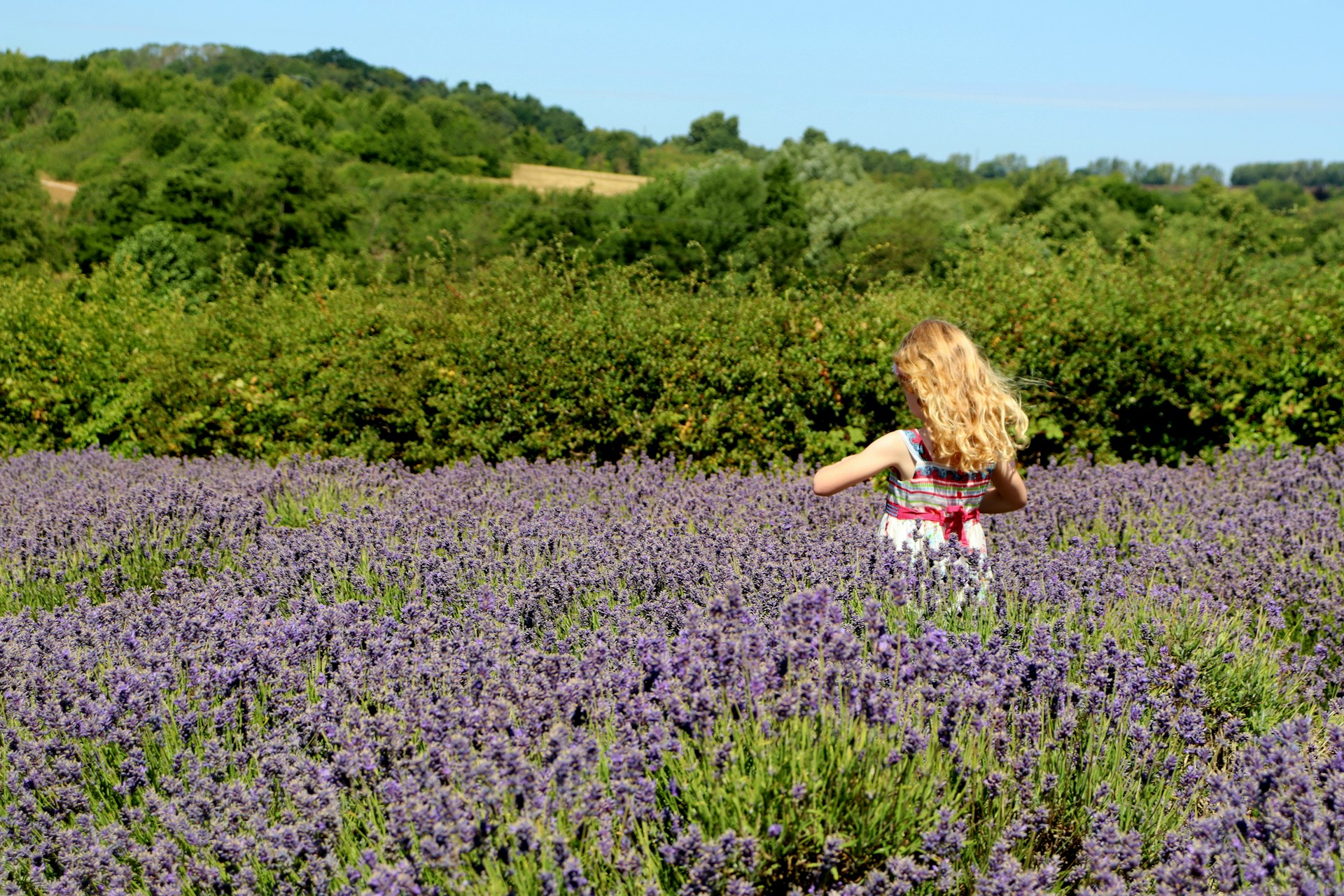
Cutting your own bundle is the signature farm activity on lavender farms, and many farms open their fields for u-cut harvesting during bloom. Visitors walk the rows with scissors and a basket, choosing stems at the color and fragrance they like best, then carry a fresh bundle home to dry. Farm stands often sell dried bouquets, sachets, culinary lavender, and handmade apothecary goods, and some properties offer distillery tours where a copper still turns cut stems into essential oil while the scent of steam and lavender fills the air.
Let us help you find a farm.
Tell us what kind of Washington farm experience you're looking for, and we'll map it out for you.
Lavender is only part of the visit at many farms. Guests might taste wild honey from the bees that work the fields, pick berries when they ripen alongside the bloom, or try lavender-infused treats such as shortbread and ice cream. Smaller farms often focus on essential oils and hand-crafted goods, and they offer unhurried field walks without the bustle of the larger farm stands.
When to Visit Washington Lavender Farms
Bloom typically begins in mid-June and runs through July, with the peak arriving in the middle weeks of the month. That timing lines up with the annual Sequim Lavender Festival, when farms across the valley open their gates, and the area is at its liveliest. Visitors who prefer a quieter visit may choose a weekday or the weeks just before or after the peak, when the fields still hold plenty of color. Many farms stay open into August, though the purple softens as the season moves on, and the berry harvest overlaps with the lavender in the warmest weeks of summer.
Exploring More Farms in the Evergreen State
Extend a lavender trip with an overnight at one of the Washington farm stays across the state, where mornings begin among animals, orchards, and open fields. If you return in autumn, Washington pumpkin patches offer corn mazes and harvest fields that bring a different kind of color to the same countryside.
Why Visiting Sequim Lavender Farms Is Important
Walking a working lavender field connects a visitor to the people and practices behind everyday products, from the oil in a bottle to the flavor in a shortbread cookie. Seeing the harvest by hand builds an appreciation for the patience and skill that go into a single bundle. Time among the rows also gives the mind room to settle, with open sky, fresh air, and a slower pace than most days allow. The fields support pollinators through the summer, and the farms keep open land in cultivation, which preserves the rural character of the valley. For the families who tend these fields, often across many seasons, each visitor who stops to cut a bundle or ask about the still is a welcome chance to share work they take real pride in.
Browse more Washington lavender farms to plan your trip on Unpaved.