Why Spring Is a Great Time to Visit a Vermont Farm
Spring comes late to Vermont. By the time the rest of the country has already moved on to warmer weather, Vermonters are still watching for the first real sign that winter is done. On a working farm, that sign is unmistakable. It arrives on four wobbly legs, usually in the middle of the night, and it needs feeding every few hours around the clock.
What Happens on a Vermont Farm in Spring
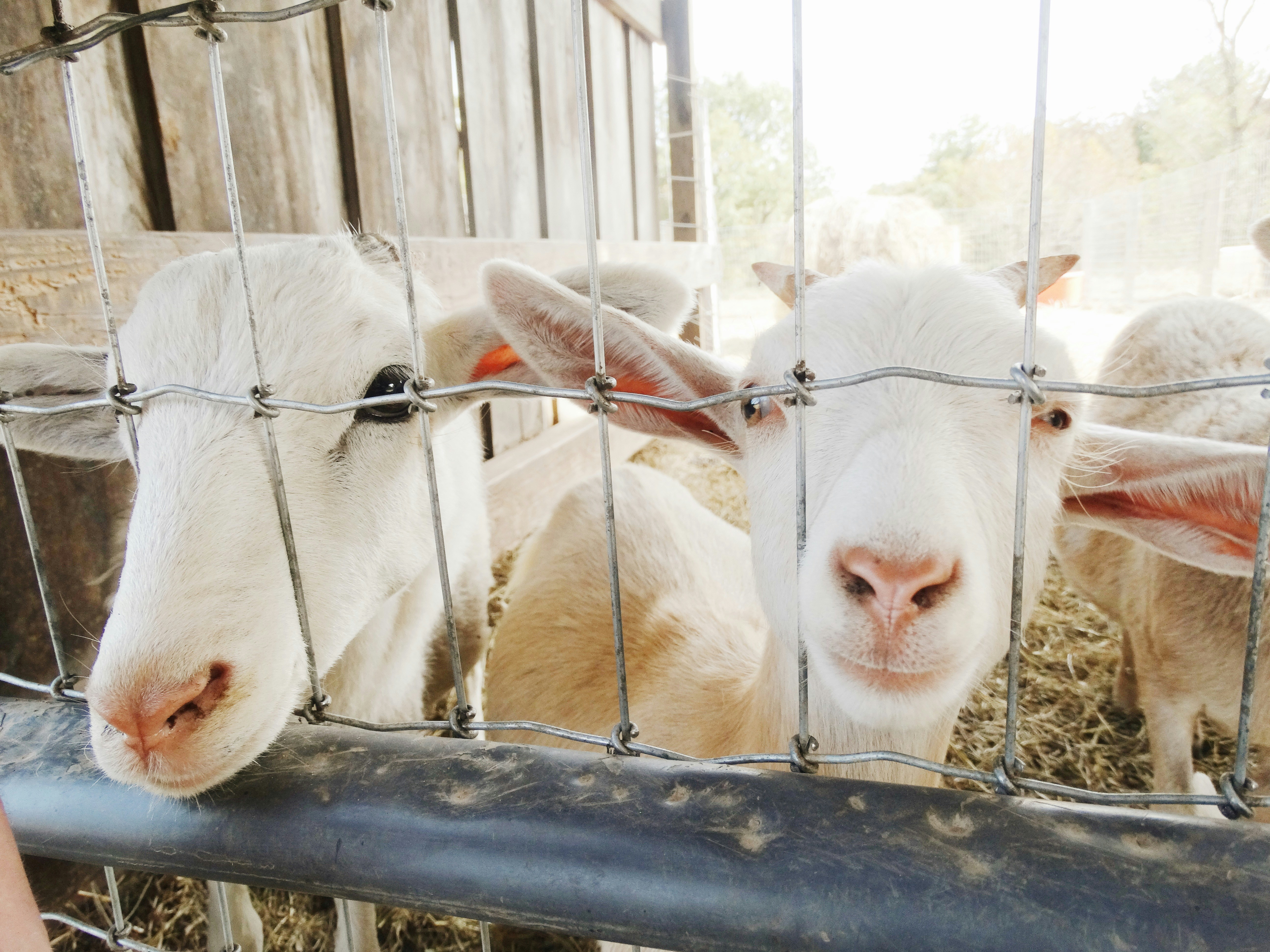
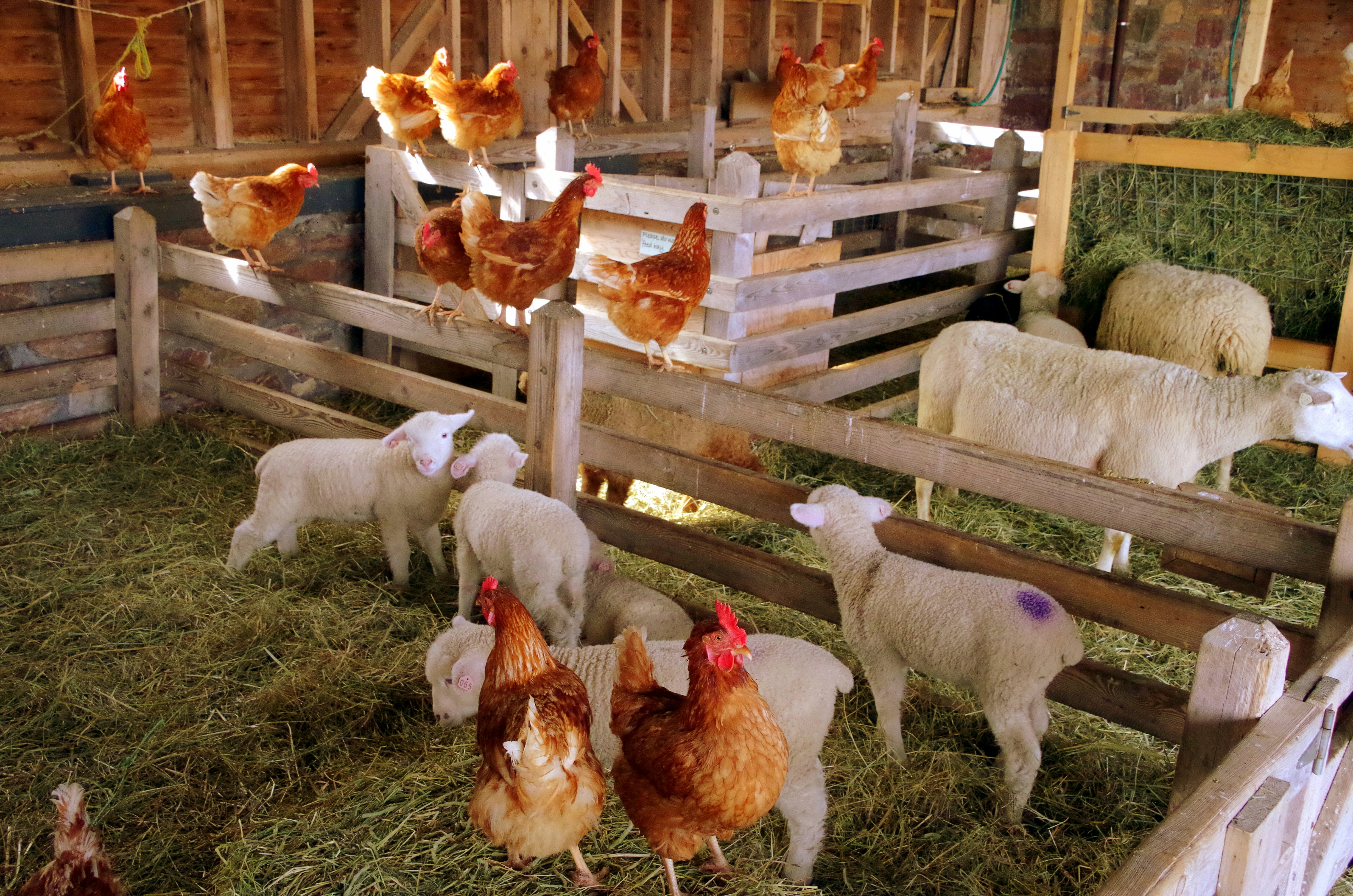
Lambing season typically runs from late February through mid-April across Vermont farms. Kidding, when the goats give birth, follows a similar schedule. Calves arrive throughout spring. By the time May rolls around, barns that were quiet all winter are full of noise, movement, and the particular chaos that comes with a few dozen newborns all figuring out the world at once.
This is what makes spring the most rewarding time to visit a Vermont farm, and also the most honest one. Farmers are not putting on a show. They are doing real work, and visitors who show up in spring get to see what that actually looks like.
Most working farms that welcome visitors during this season offer some version of the same experience: time in or near the barn, close contact with animals, and a chance to watch or participate in daily chores. Bottle-feeding a lamb that was rejected by its mother is not something you can plan for, but it happens, and farms that host visitors in spring know this and build it into the visit when they can. The same goes for watching an ewe with twins sort out the first hours of motherhood, or seeing a calf take its first steps in a stall bedded with fresh hay.
What to Expect When You Visit a Vermont Farm
What to expect practically: spring farm visits in Vermont are not manicured experiences. The mud is real. Barn smells are real. The weather can turn in an hour. Dressing in layers and wearing shoes you don't mind ruining is standard advice for a reason. Most farms ask that visitors follow basic biosecurity, including washing hands, staying out of areas where newborns are bonding with their mothers, and keeping dogs at home. These are reasonable requests from people running a working operation, not a petting zoo.
Spring is also when Vermont farms start opening for the season after winter. Some are open year-round, but many have a defined season that kicks off in April or May. Calling ahead or checking a farm's website before you visit is worth the two minutes it takes, especially if you are traveling with children or planning around a specific experience like a farm tour or a wagon ride.
The other thing worth knowing is that not every farm in Vermont posts its spring schedule loudly. Some of the best farm visits happen at smaller operations that welcome visitors by appointment or on a walk-in basis without much fanfare. These farms are worth seeking out. They tend to offer more time with the farmer, more flexibility in what you can see, and a quieter experience than the larger destination farms that draw crowds on weekends.
Let us help you find a farm.
Tell us what kind of Vermont farm experience you're looking for, and we'll map it out for you.
Why Visit a Vermont Farm?
Vermont has more farms per capita than almost any other state in the country, and most of them are small. The average Vermont farm covers around 175 acres, a fraction of the scale you find in agricultural states further west. These are family operations, often passed down through generations, working land that has been cleared and tended for over two centuries.
That scale makes Vermont farms feel personal in a way that is hard to replicate. But it also makes them financially vulnerable. Small dairy farms in particular have faced decades of pressure from falling milk prices, rising input costs, and consolidation in the industry. Many have had to find ways to diversify just to stay viable. Agritourism (opening the farm to visitors) has become one of the most practical tools available to small farms trying to stay in business.
When you pay for a farm tour, buy cheese at a farm store, or book a night in a farmhouse, that money goes directly to the people keeping the land in agricultural use. It supplements income that might not otherwise cover the cost of maintaining a working farm in a state where land values are high and margins are thin. For some farms, visitor income has made the difference between selling the land to developers and staying in operation for another generation.
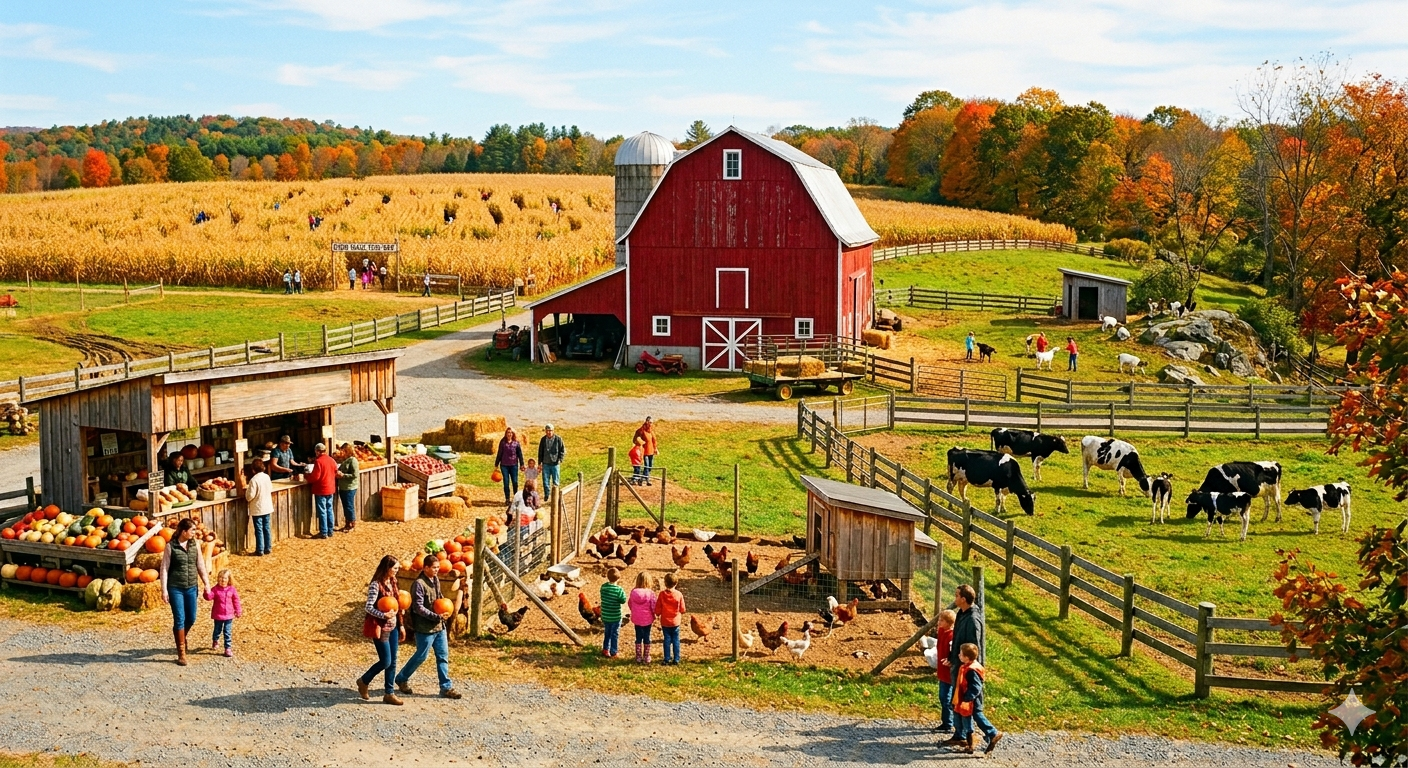
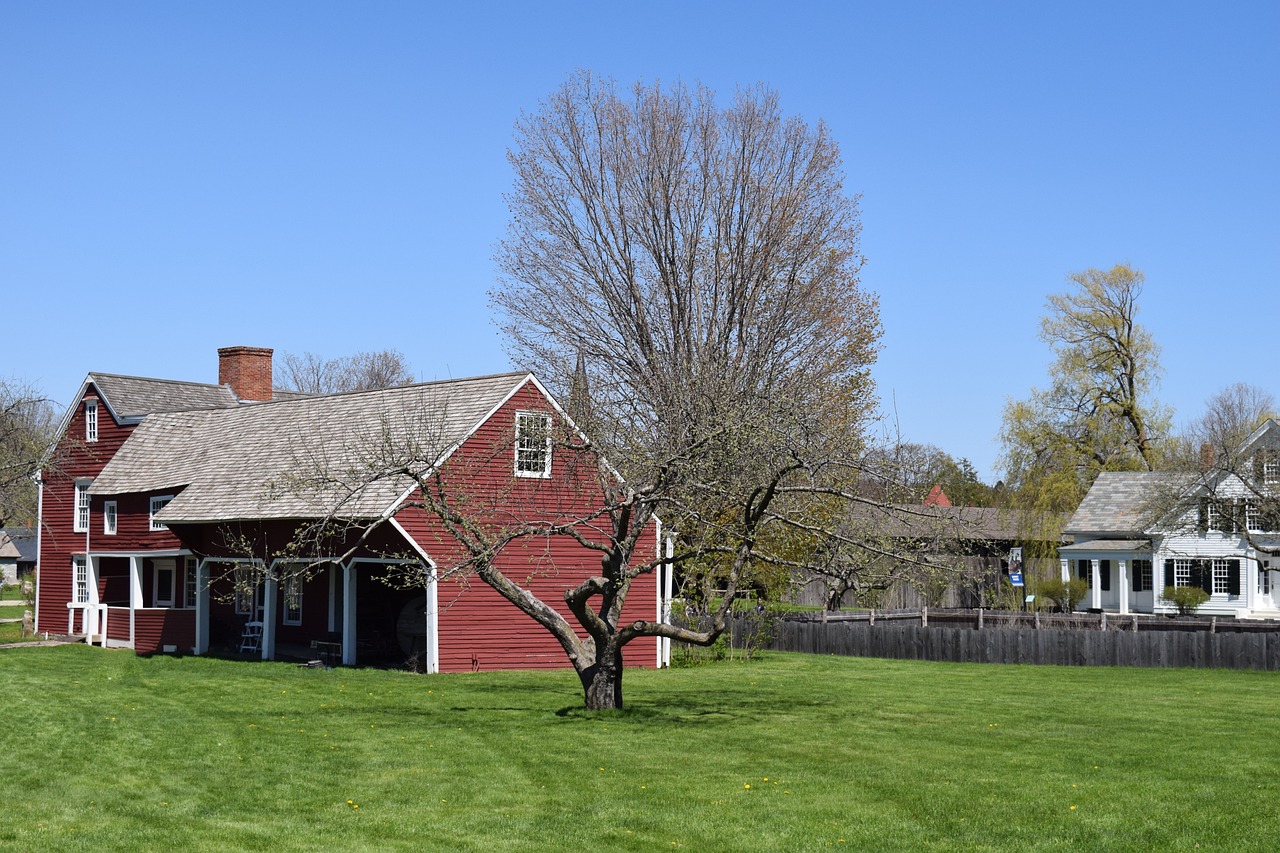
There is a cultural dimension to this, too. Vermont's identity is inseparable from its farming landscape. The stone walls threading through the woods, the red barns on hillsides, the pastures rolling down to river valleys — these things exist because people have been farming this land continuously, and because enough of those people have found ways to keep going. Agritourism helps sustain that connection between the land, the farmers, and the people who live in or visit Vermont. A farm that welcomes visitors is also a farm that stays visible, stays relevant, and stays part of the community conversation about what Vermont is and what it should remain.
Visiting a Vermont farm in spring, then, is not just a pleasant outing. It is a small act of participation in something that matters.
If you are ready to start looking, you can browse Vermont farms open for visits on Unpaved.