Cranberry Bog Tours in Massachusetts: A Unique Fall Harvest
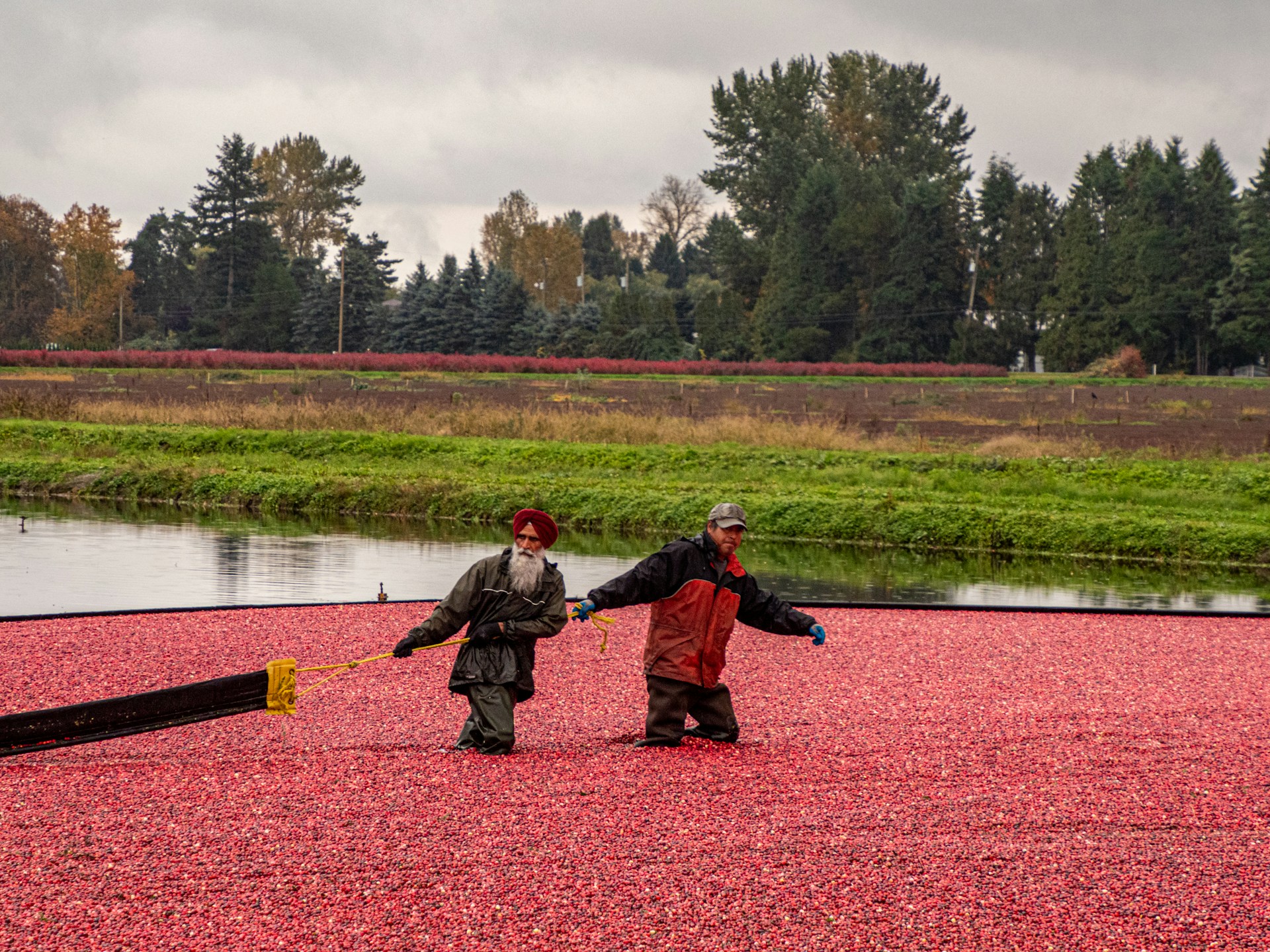
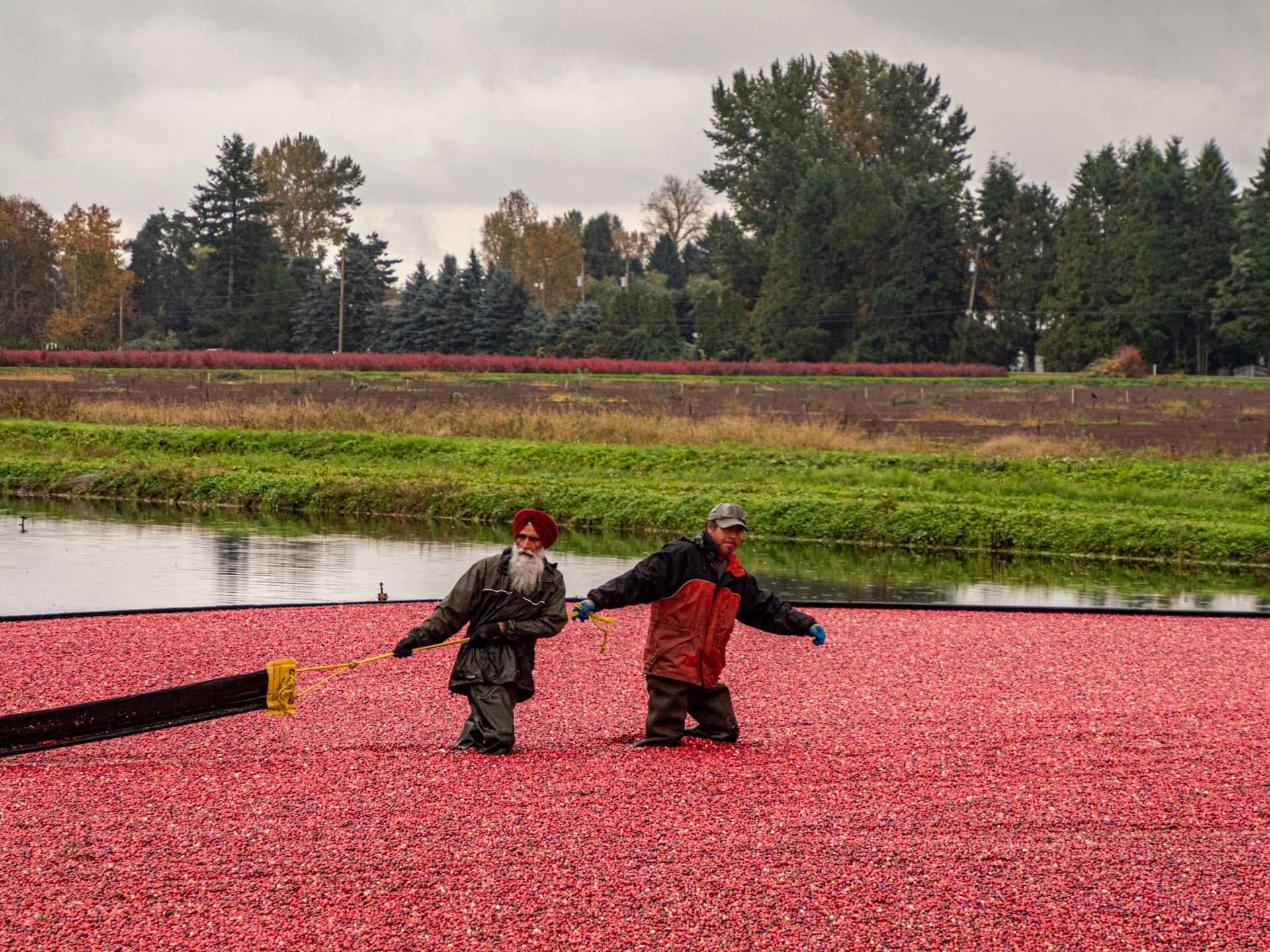
The crisp autumn air carries the faint, sharp scent of crushed berries as you look out over a literal sea of crimson fruit bobbing in the flooded marsh waters. The cool wind tugs at your jacket. Your boots sink slightly into the damp earth at the edge of the bog. Somewhere nearby, a reel harvester churns, and the flooded field ripples into a thousand shades of red. For families planning a fall trip through Massachusetts, a cranberry bog tour offers something unique: an opportunity to wade right into a beautiful local harvest tradition.
A Variety of Farms
At the smaller, independent cranberry farms, visitors can pull on chest-high rubber waders and step directly into the floating crimson waters themselves, feeling the berries bump against their legs as they wade through the flooded rows. It is hands-on in the truest sense. At the other end of the spectrum, the larger farms offer a different kind of spectacle. Guided wagon rides carry visitors along the dry perimeter banks while heavy machinery corrals millions of floating berries into tight, churning pools. Watching that process from a safe, dry vantage point still delivers the same sense of awe, just with less mud. Between these two extremes sits a wide range of family farms, each shaped by generations of growers who have adapted the same basic wetland technique to their own patch of coastal or inland Massachusetts soil.
Other Activities On the Farm
A cranberry harvest visit rarely ends at the edge of the bog. Many farms pair the wet harvest viewing with educational sorting house demonstrations, where visitors can watch berries get separated by float quality using century-old bounce testing methods that have barely changed since the industry began. Antique agricultural machinery is often on display nearby, offering a tangible link to how the process worked before modern equipment took over the heavier lifting. Farm stands stay busy this time of year, stocked with fresh heirloom berries alongside local honey for tasting and an assortment of cranberry-infused baked goods that make the trip feel like a proper fall outing rather than just a farm visit. Families with younger children often find that the sorting house alone holds their attention as long as the bog itself.
Cranberry Bog Tours in Massachusetts: When to Go
The cranberry harvest season in Massachusetts runs from mid-September through early November, though the timing within that window matters quite a bit for what visitors will actually see. Peak wet harvest viewing, the dramatic flooding and corralling that most people picture when they think of a cranberry bog, typically runs from late September through October. That stretch also happens to line up with the height of New England's fall foliage, so a bog tour can easily anchor a longer weekend built around leaf peeping and regional autumn festivals. Growers pay close attention to weather patterns heading into the season, since a hard frost too early can affect both timing and yield, so it is worth checking with individual farms before locking in exact dates.
Let us help you find a farm.
Tell us what kind of Massachusetts farm experience you're looking for, and we'll map it out for you.
Exploring More of the Bay State
A cranberry harvest weekend pairs naturally with the rest of what Massachusetts farms have to offer once the leaves start turning and the maple sap starts to consider its own season ahead. Apple picking in Massachusetts is a chance to start a new annual tradition at an historic orchard. Families drawn to hands-on farm experiences often extend their trip west toward the mountains, where Berkshires farm stays turn a single afternoon visit into a full overnight immersion in morning chores and pasture life. And for winter farm fun, Massachusetts sugar shacks offer a completely different kind of harvest, one built around woodsmoke and boiling sap rather than flooded marshes.
Why Your Visit to the Farm Matters
Cranberries are one of North America's few truly native cultivated fruits. The plant itself is tied to New England's specific geology and water table in a way that few other crops are, which means every bog under cultivation today represents a small, carefully managed wetland ecosystem rather than a simple field. Visiting these bogs directly supports multi-generational growers who have spent decades, in some cases well over a century, learning to manage complex water systems, protect surrounding wetlands, and keep a genuinely rare form of American agriculture alive. Every ticket bought and every bag of berries purchased at a farm stand helps keep that particular sliver of land in cultivation.
When you are ready to find cranberry bog tours in Massachusetts, browse farms on Unpaved.