Massachusetts Sugar Shacks: A Sweet Farm Tradition
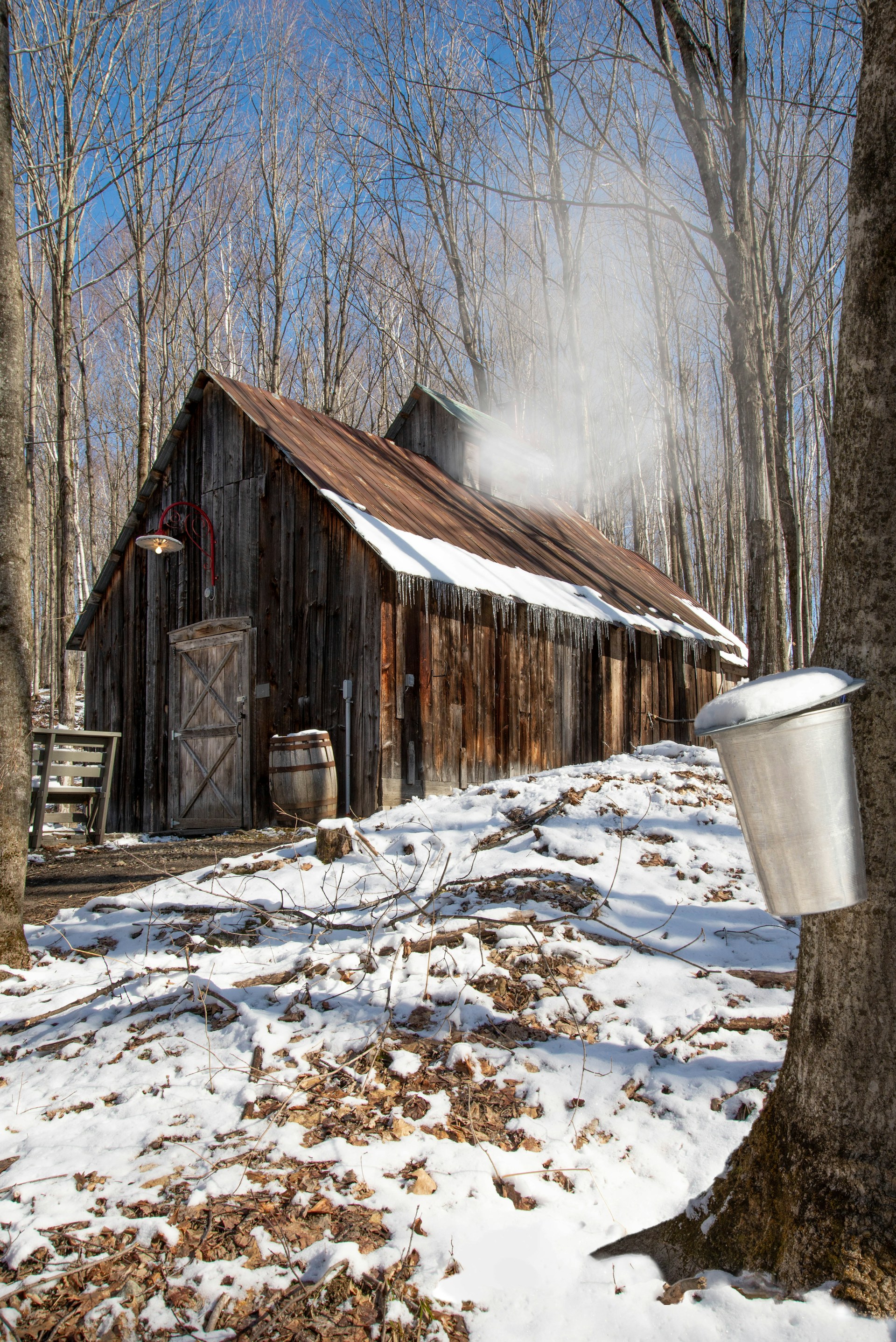
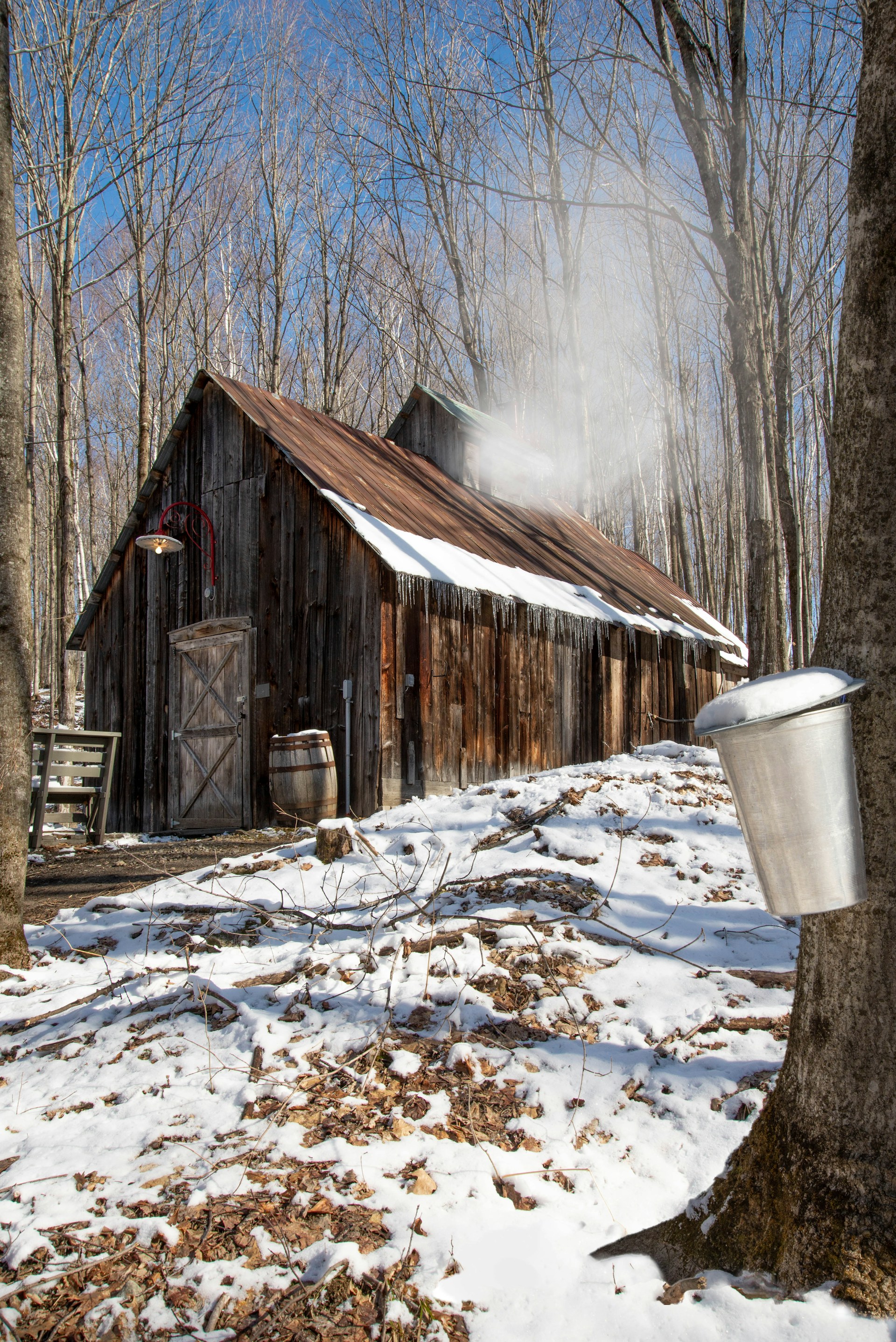
Stepping into the sugarhouse wraps you in a thick, sweet cloud of maple-scented steam, accompanied by the steady crackle of a wood-fired evaporator and the sweet, hot taste of pure, gold syrup fresh from the draw-off valve. Outside, the trees are still bare and the ground is often still frozen in patches, but inside the sugarhouse, the air feels almost tropical. The Pioneer Valley and surrounding hill towns in Massachusetts hold onto a deep maple culture.
A Variety of Maple Sugaring Farms
In the valley towns, sugarhouses tend to be larger, established farms with the infrastructure to handle real crowds, sprawling wood-fired evaporator rooms attached to full pancake houses, often part of a broader year-round farm operation. Further up into the hill towns, you often find rugged, small-scale operations tucked deep into maple stands. Still others fall somewhere in between, a mid-sized family farm with a simple sugarhouse and a small retail shed. Whatever the scale, each property carries its own particular character, shaped by generations of the same family working the same stand of trees.
Activities Beyond the Sugar Shack
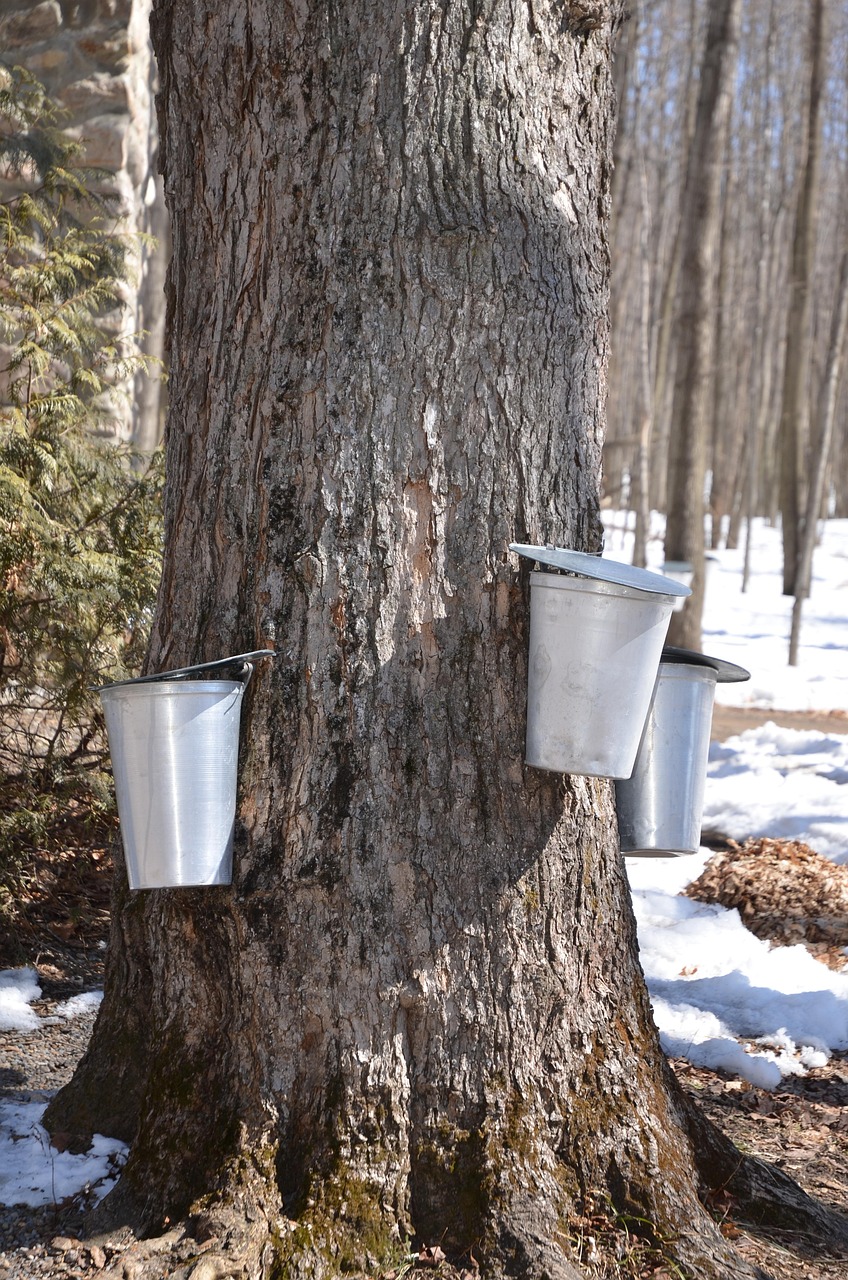
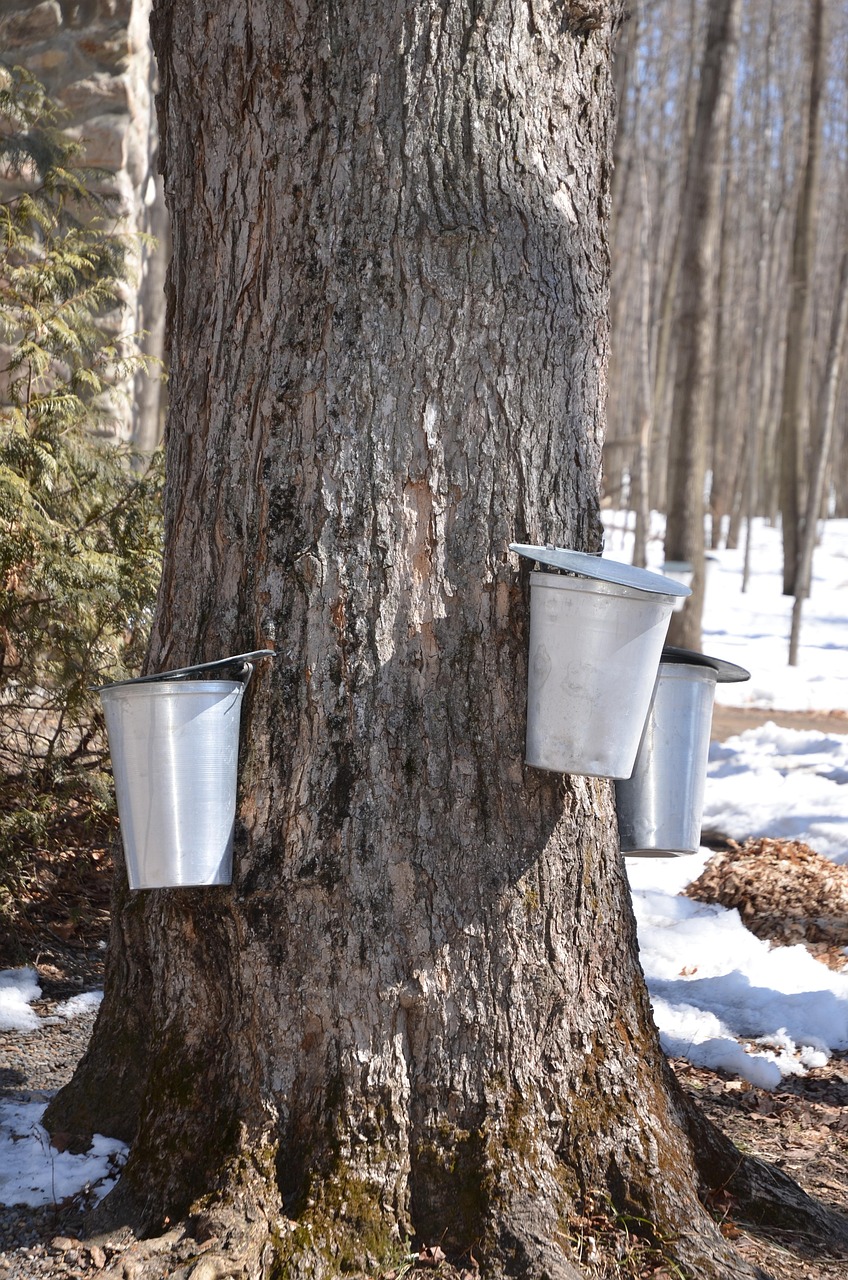
Most sugar shack visits center on the wood-fired evaporator itself, watching sap reduce down through a maze of steaming pans until it reaches the exact density that makes it syrup rather than water. Maple cream and candy-making demonstrations often run alongside the boiling, giving visitors a taste of the finished product in several different forms. Pancake breakfasts remain the centerpiece for many families, syrup poured tableside from the same batch still cooling in the back room. Some farms also offer snowshoeing through active maple groves, letting visitors see the tapped trees and sap lines up close before the syrup ever reaches the pan.
When to Visit a Sugar Shack
Sugaring season in Massachusetts runs from late February through early April, a window locals call the sugar-off season. The exact timing shifts year to year because it depends entirely on weather, not the calendar. Sap only flows properly during a specific freeze-thaw cycle, freezing nights below 32 degrees followed by warm, sunny days above 40, so a farm's open weekends can shift by a week or two depending on how the season is running. Calling ahead or checking a farm's current schedule before driving out is worth the extra step, since the best boiling days often get announced only a few days in advance.
Let us help you find a farm.
Tell us what kind of Massachusetts farm experience you're looking for, and we'll map it out for you.
Exploring More Working Farms in Massachusetts
Massachusetts farms do not stop once the sap stops running, and travelers who fall for the state's farm culture in late winter often find themselves planning a return trip later in the year. Come fall, many orchards welcome visitors for apple picking in Massachusetts, and the coast offers cranberry bog tours in Massachusetts, where flooded marshes replace steaming sugarhouses as the season's central spectacle. And for those craving a full weekend rather than a day trip, Berkshires farm stays offer overnight immersion in morning chores and pasture life.
Why Maple Sugaring Tours Are Important
Tapping maple trees is a traditional art form passed down through generations, and it depends entirely on a healthy, unpolluted forest ecosystem to keep working the way it always has. A stand of sugar maples takes decades to reach full tapping maturity, which means every active sugarbush represents a long-term commitment from the family managing it, often stretching back multiple generations before the current one. Supporting these local sugar shacks helps ensure the preservation of ancient maple groves. It also honors a fiercely proud farming community ritual that marks the very first harvest of the agricultural year.
When you are ready to find Massachusetts sugar shacks, browse farms on Unpaved.