Maine Corn Mazes & Pumpkin Patches: Autumn Days in the Harvest Fields
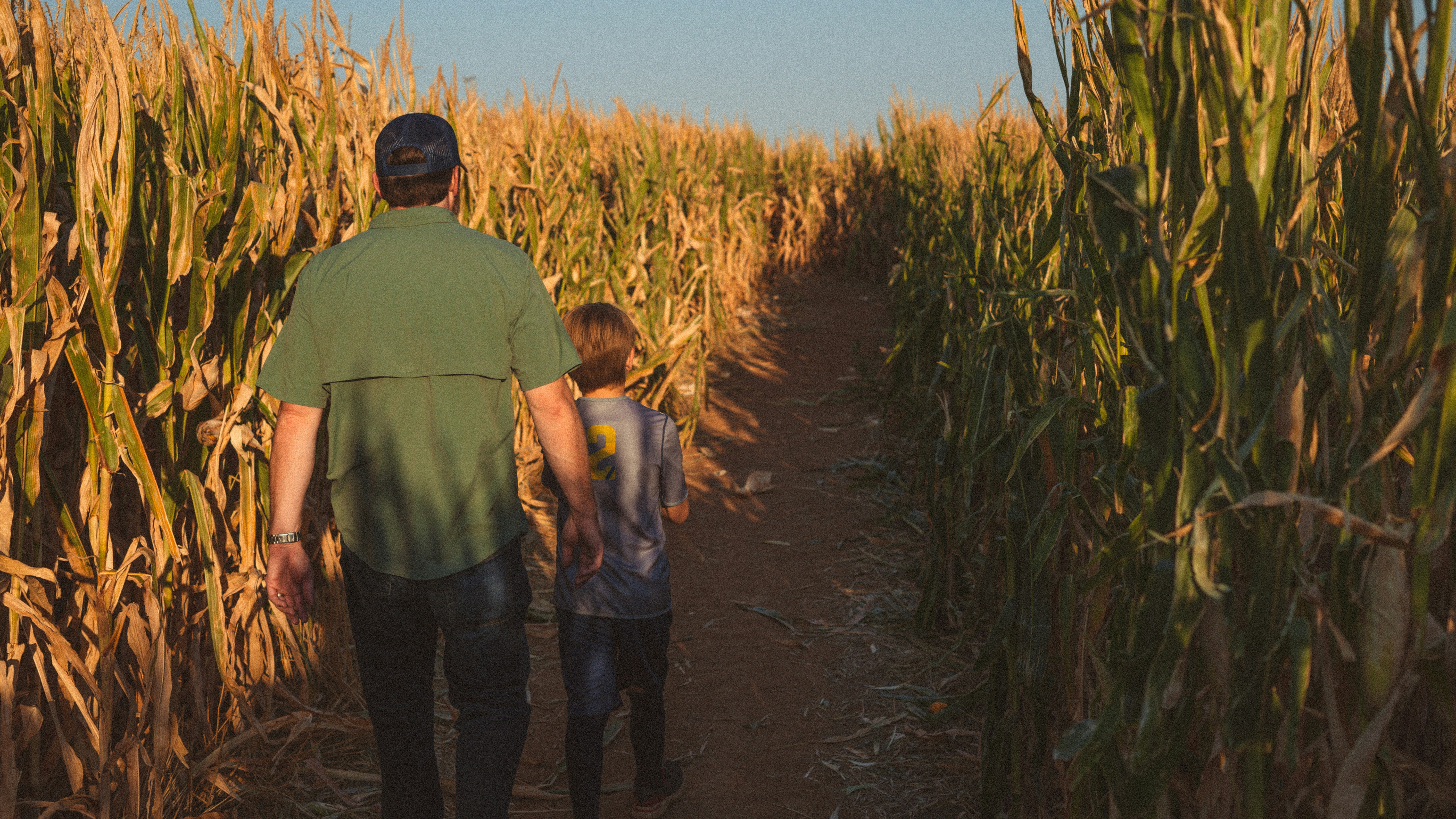
Wood-fired cider donuts and crushed apple pomace sweeten the air. You thread through a wall of cornstalks ten feet tall, the sky overhead a shade of blue that only shows up in October. Maine corn mazes have built a national reputation, and the state's growers take real pride that shows much care goes into the designs each year.
The Landscape of Maine Corn Mazes and Pumpkin Patches
Some corn mazes cover more than fifteen acres along the coast. They're reached by a slow tractor ride out to the cornfield itself, part of the experience in its own right. Others sit on much larger agricultural campuses in the rolling foothills. There, the maze is just one stop on a farm that also runs an educational farmyard for kids. The maze designs themselves vary, too. Some are intricately carved, built around a theme tied to national milestones or regional heritage. Others are simpler, checkpoint-based routes tucked inside a working, multi-generational apple orchard. Pumpkin patches also vary in size. Small patches sit near the maze entrance at some farms, while others offer massive riverfront fields where visitors walk long rows searching for the right shape to carve.
Things to Do at a Maine Corn Maze and Pumpkin Patch
A day at a Maine corn maze rarely ends with the maze itself. Tractor-pulled hayrides often carry visitors straight out to the pumpkin patch, saving a long walk across open field on foot. Several farms also run a flashlight-lit night maze once the sun goes down. It's a different experience from the same rows in daylight, quieter and a bit more disorienting. Younger visitors tend to gravitate toward the animal encounters, where milking a dairy cow or gathering fresh eggs gives a hands-on look at farm work beyond the maze.
There's usually more to do beyond the fields as well. Some farms carve a full disc golf course through the woods. Sunflower or hay bale labyrinths give younger kids a smaller maze to tackle on their own. A petting zoo is common at larger farms, usually stocked with goats and rabbits that are happy to be fed by hand. Many farms also run a tasting room or stand, selling hot apple cider slushies, pumpkin cider, and fresh-fried maple donuts. By the end of a visit, the maze is often just one memory among several.
Peak Foliage and Harvest Windows: When to Visit Maine Corn Mazes
The season for Maine corn mazes and pumpkin patches runs from late August through October. Corn reaches full height and pumpkins hit peak ripeness during a fairly specific window, from mid-September through Halloween. That stretch also lines up with peak foliage color across the state, along with the local harvest festivals many towns hold in October.
Waiting until closer to Halloween brings fuller fields and deeper foliage color, though weekends in that window tend to draw the biggest crowds of the year.
Let us help you find a farm.
Tell us what kind of Maine farm experience you're looking for, and we'll map it out for you.
More Farms to Explore Across Maine
A fall visit to a corn maze pairs naturally with other stops in Maine's farm country. Travelers extending an autumn trip might look at Maine farm stays, since many lean into the harvest season with their own on-site activities, from cider pressing to bonfires. Earlier in the summer, the same regions often host blueberry picking in Maine. Late-blooming fields at Maine lavender farms can also overlap with the very start of harvest season for anyone visiting in late August.
Supporting Working Land: Why Preserving Maine Agriculture Matters
A corn maze might look like pure entertainment, but the fields underneath it are working land the rest of the year. Visiting one of these farms in the fall bridges a gap that's grown wider as more families live farther from agricultural life. It's a chance to walk a field that produced a real crop that same summer, not a staged version of one.
Ticket sales from a maze or a pumpkin patch often help fund an orchard's operations through the winter months, when there isn't much else coming in from the land. Supporting that income stream keeps the land in the hands of small farms. It also honors a rhythm that's easy to overlook. The same fields that grow corn and pumpkins in summer get tilled under once the season ends. That work feeds the soil that next spring's crops will need.
Browse more Maine corn mazes and pumpkin patches to plan your fall trip on Unpaved.