Maine Lavender Farms: Purple Fields Between the Pines and the Coast
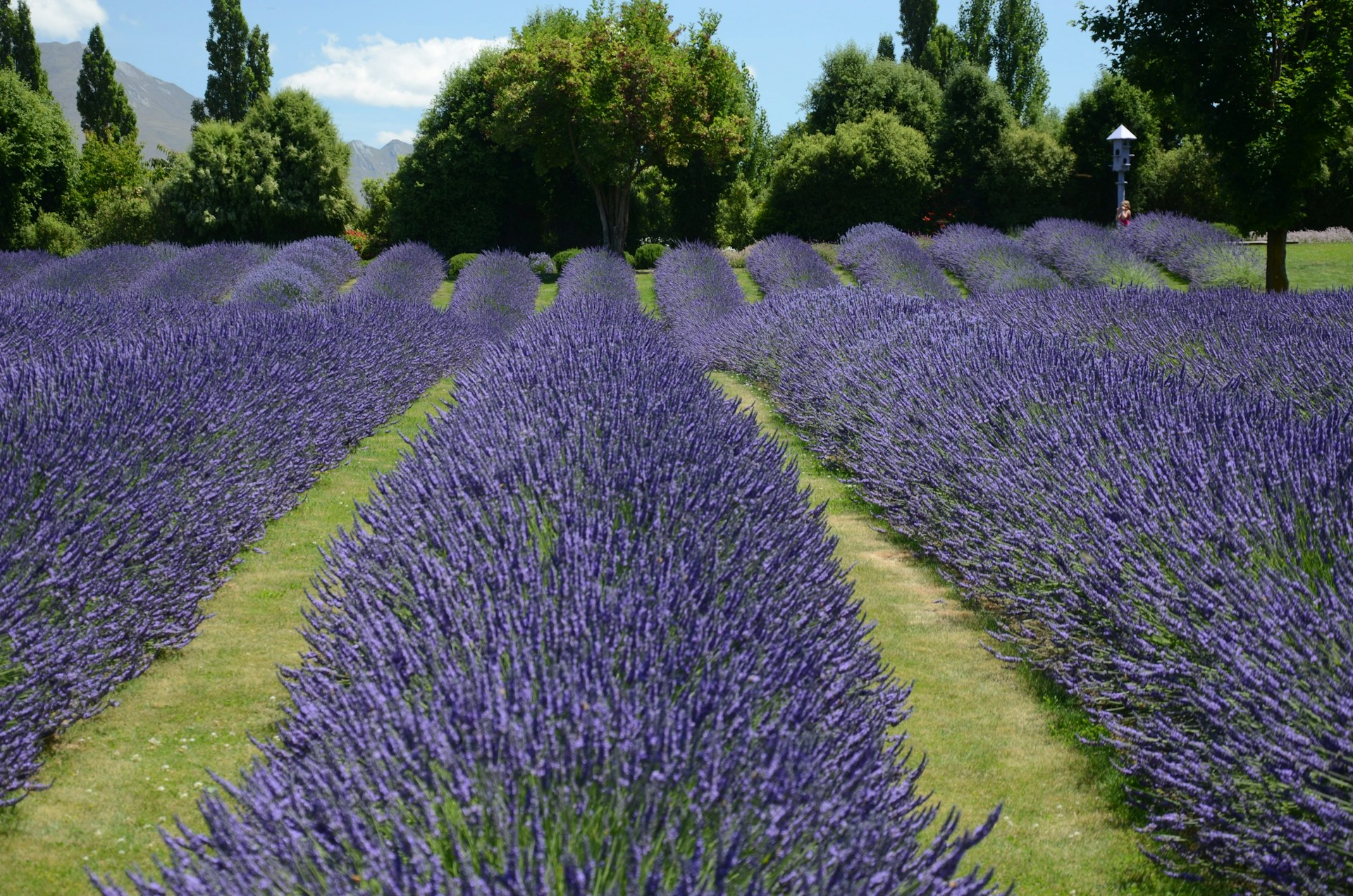
Brush a hand over a row of dense purple stalks. The scent releases all at once, warm and herbal, mixing with salt air drifting in from the Atlantic or the plain, clean smell of rural farmland. That's the first impression most visitors get at Maine lavender farms.
The Landscape of Maine Lavender Farms
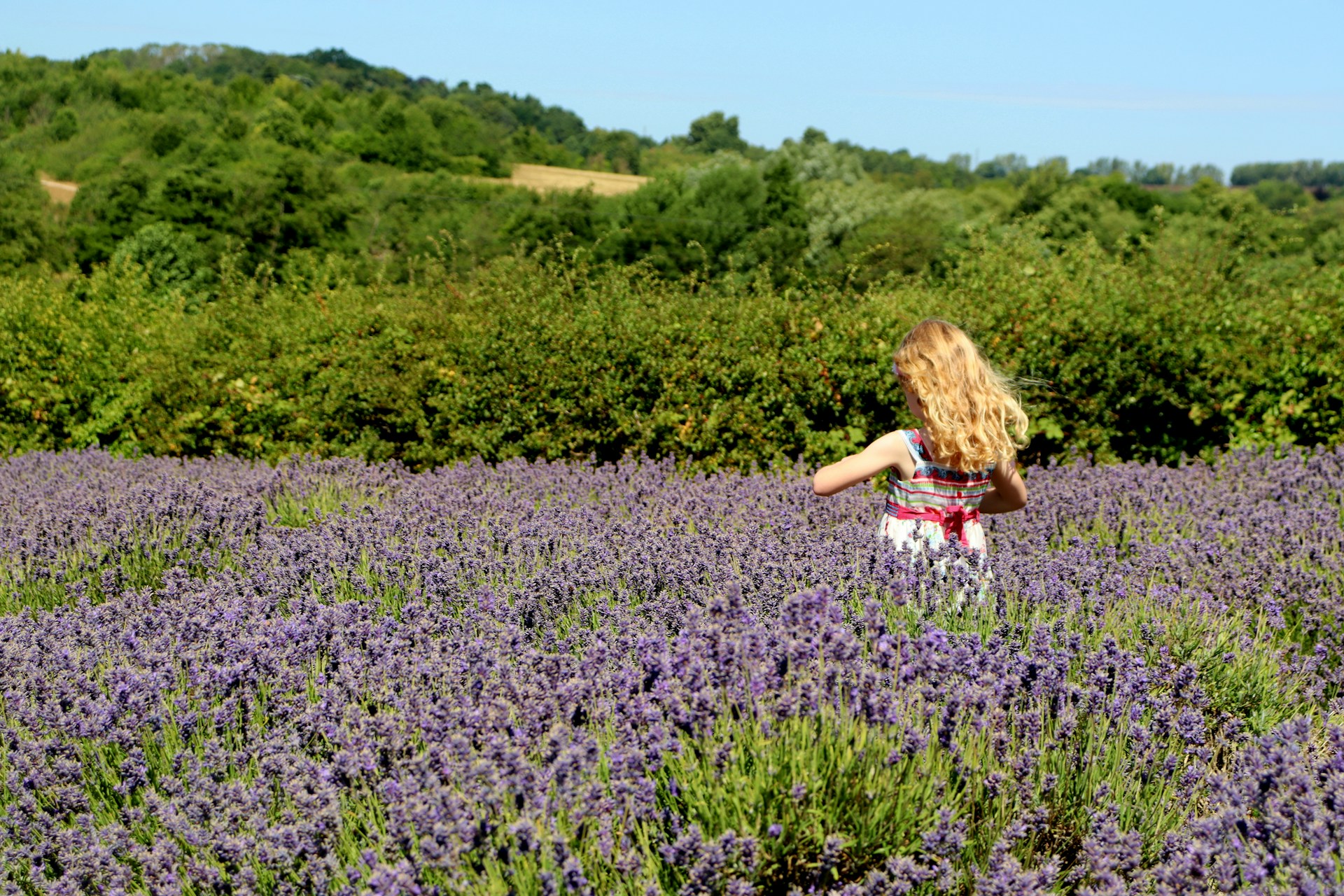
Maine's lavender farms sit in a few distinct settings throughout the state. Some fields grow in historic river valleys a few miles inland from the Midcoast. The plants there have had decades to establish, with rows that have grown thicker and fuller each summer. Others spread across permaculture homesteads bordering quiet interior ponds, with lavender as one crop among several. In southern Maine, some farms tuck purple flower fields alongside working heritage tree farms.
What Activities Are Offered
Summer brings u-pick harvesting, when visitors cut their own bundles straight from the field, often tying them off with twine to dry at home. Several farms also run open-air mazes cut through the plants, along with outdoor acoustic concerts scheduled through the season. Educational permaculture workshops are common too, drawing both curious first-timers and visitors with their own gardens back home. They give visitors a closer look at how these farms manage soil and water without synthetic chemicals.
Families can find plenty to do as well. Farm-themed scavenger hunts keep kids occupied. Adults, meanwhile, can settle in for an afternoon high tea, and some properties connect directly to a historic steam train or offer hayrides as part of the visit. Resident goats are a frequent draw at farms that keep other animals alongside the lavender, and kids often gravitate toward them before they've even reached the fields. Most farms also run an on-site farm store stocked with lavender-infused shortbread, artisan soaps, and sometimes soft wool fleece from farm animals raised on the same land.
When to Visit
The lavender season in Maine runs from late June through late August. The window for u-pick harvesting is narrower than that. Peak bloom, and the best stretch for cutting your own bundles, falls between early July and early August. That's when the fields are at their fullest color and fragrance, just before the plants move into their late-summer harvest.
Visiting outside that peak window still has its appeal. Late June often means fewer crowds and fields still filling in, a good option for travelers who'd rather skip the busiest weekends. Late August, by comparison, tends to bring quieter days as the main harvest wraps up.
Let us help you find a farm.
Tell us what kind of Maine farm experience you're looking for, and we'll map it out for you.
Beyond the Lavender Farm
A stop at a lavender farm fits naturally into a longer trip through Maine's agricultural regions. The same weeks that lavender peaks overlap closely with the start of blueberry picking in Maine. Both can often fit into a single trip. Travelers looking to stay longer nearby might also consider looking into one of the Maine farm stays. Many sit within easy driving distance of a lavender field. Once autumn arrives, some of the same farm regions shift toward Maine corn mazes and pumpkin patches, giving you a reason to return to the farm all year.
Why Your Farm Visit Makes a Difference
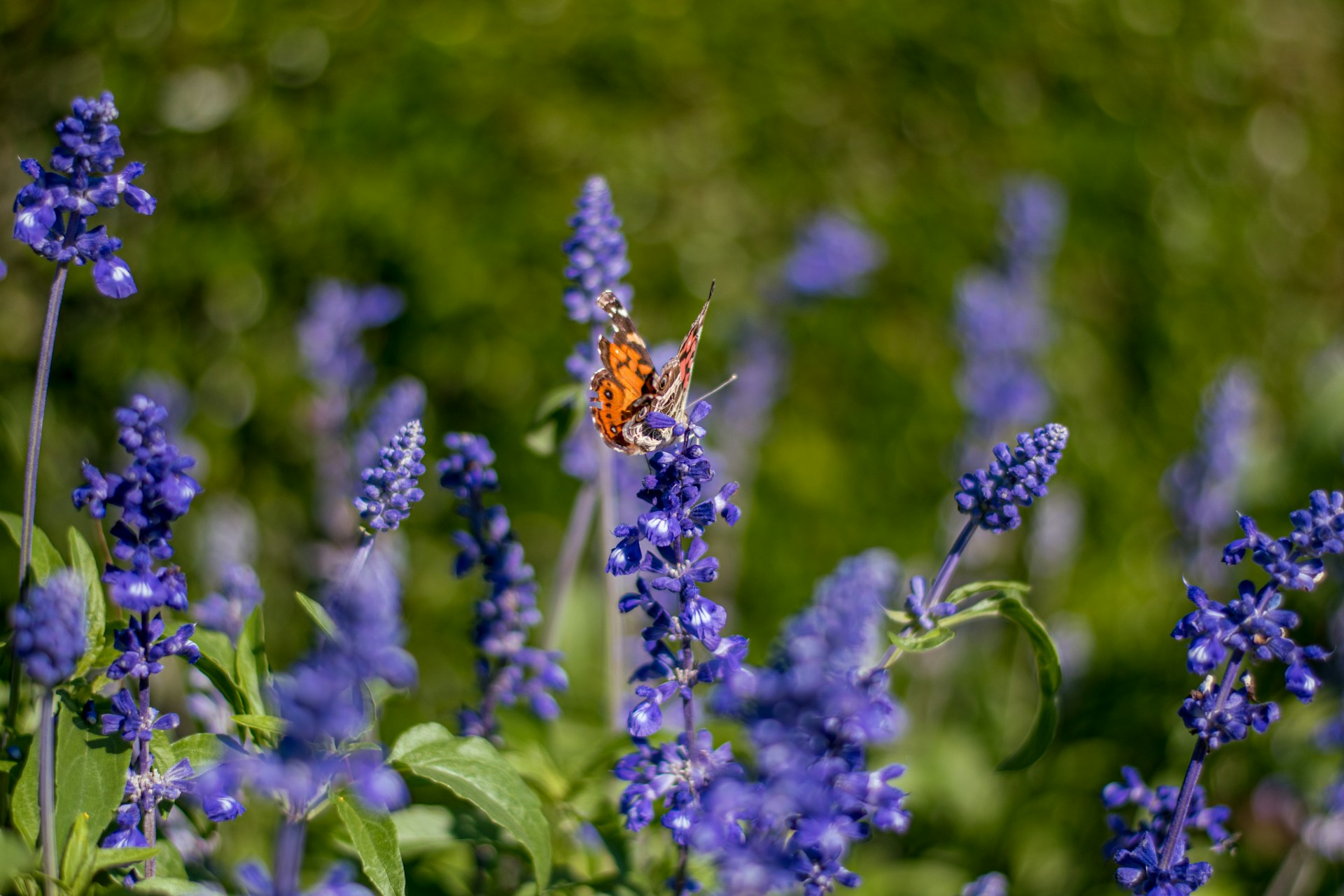
The state's heavy soils and long, harsh winters aren't naturally suited to a plant that prefers dry, well-drained ground more common in Provence or the American West. Keeping a field alive here takes real commitment year after year. That effort does more than produce a good-looking crop. It helps revive land with a long agricultural history. It also supports native pollinators that depend on flowering fields through the summer.
Visiting these farms also has a direct economic effect. Seasonal income from u-pick visitors, workshops, and farm store sales is important to independent growers, including some service-disabled veteran-owned homesteads working the land. That income often makes the difference between a field that expands the next year and one that doesn't. Many of these properties also practice chemical-free permaculture methods. That ties the health of the soil directly to the health of the surrounding community.
A field of lavender in full bloom doesn't last long. When you're ready to visit, browse Maine lavender farms to explore on Unpaved.