Wisconsin Cheese Factory Tours: Creameries and Dairies You Can Visit
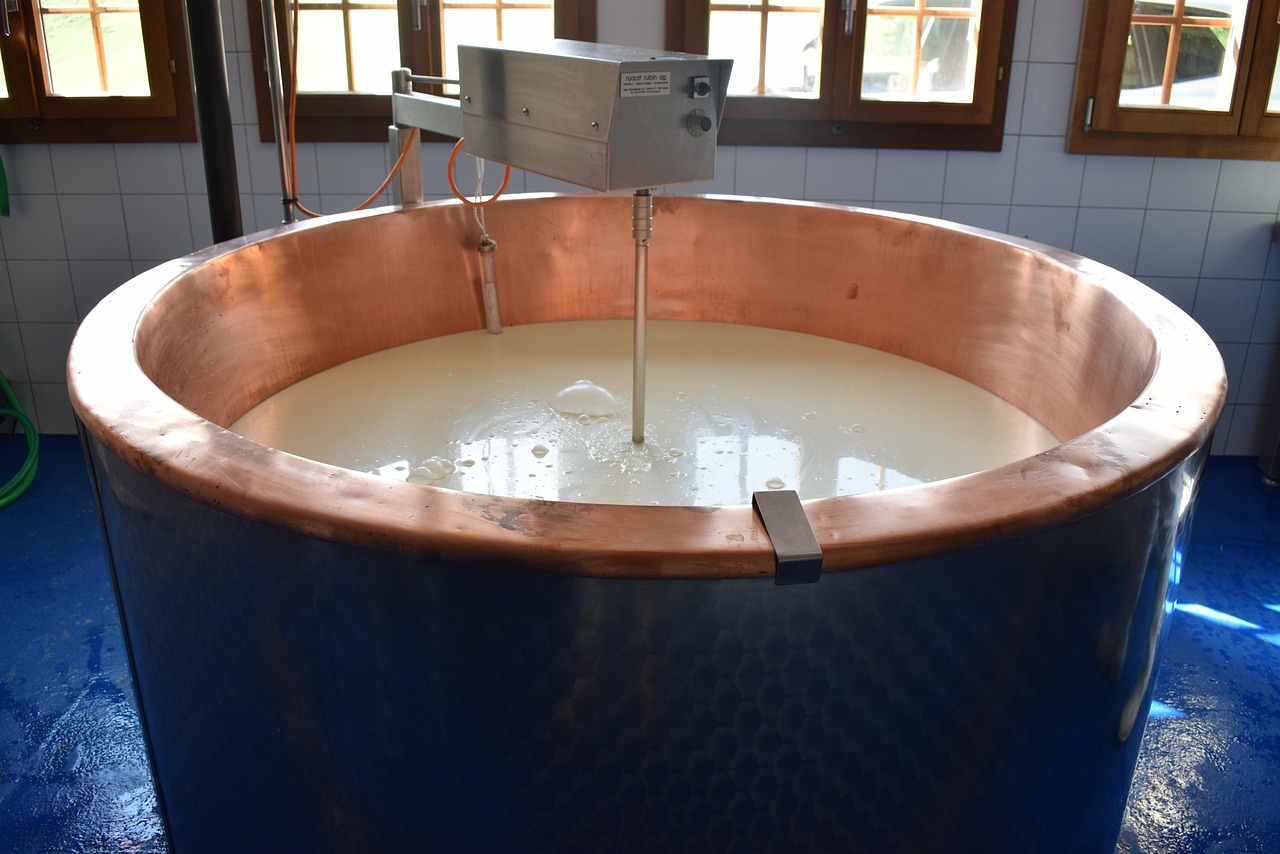
Wisconsin cheese factory tours begin with warm, humid air in the viewing room and the smell of fresh dairy, with steaming vats in sight and a curd that squeaks between the teeth when it is only hours old. The state’s open-door cheesemakers range from small creameries attached to working family farms to long-established regional plants, and many welcome visitors through glass-walled viewing areas, shops, and guided tours.
What Makes Wisconsin Cheese Factory Tours Special
The word factory covers more variety in Wisconsin than the name suggests. A traditional factory gathers milk from many dairies and processes it in one plant, while a farmstead creamery makes cheese only from the milk of its own animals, on the property where they graze. Visitors can find both across the state.
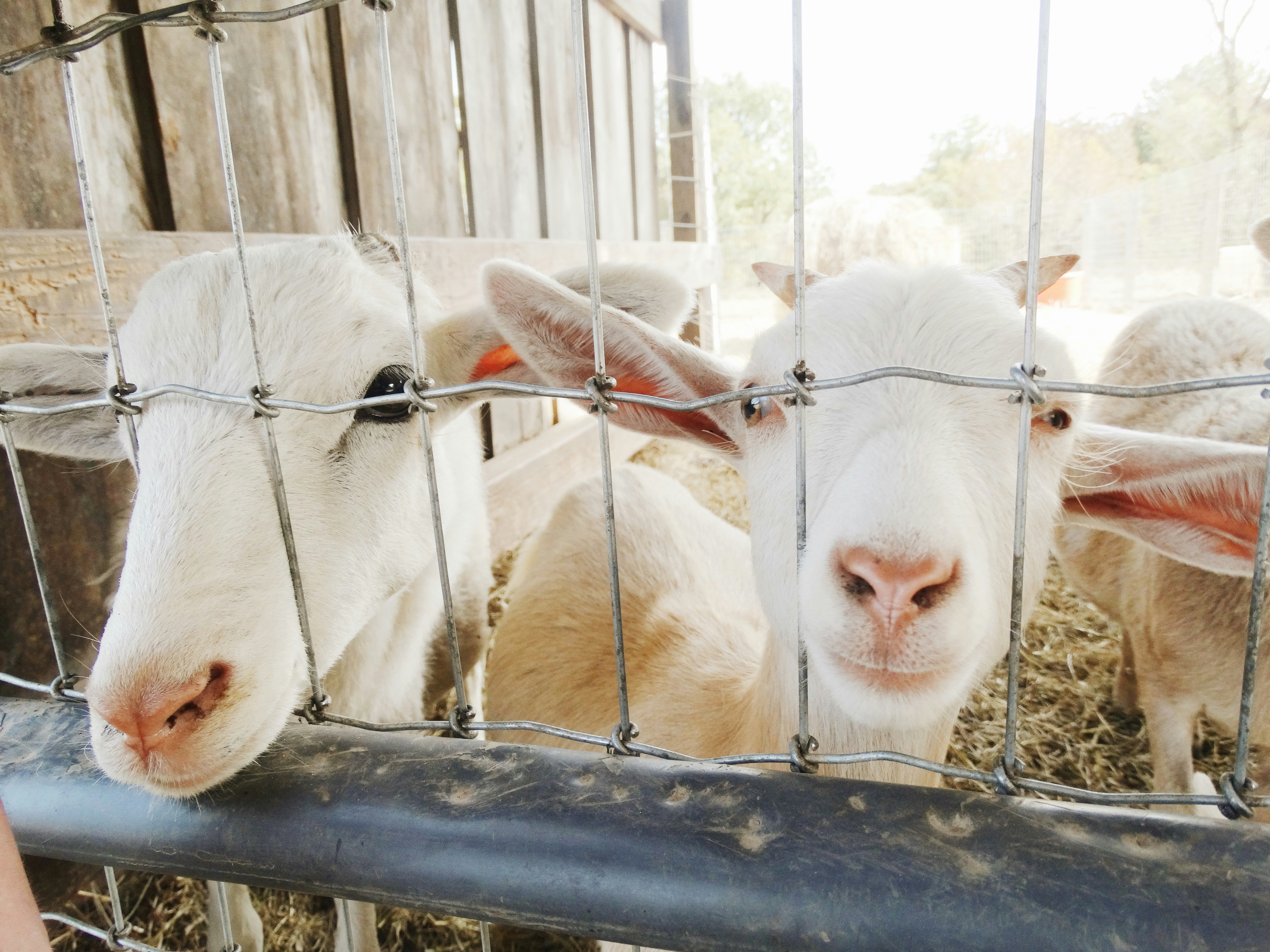
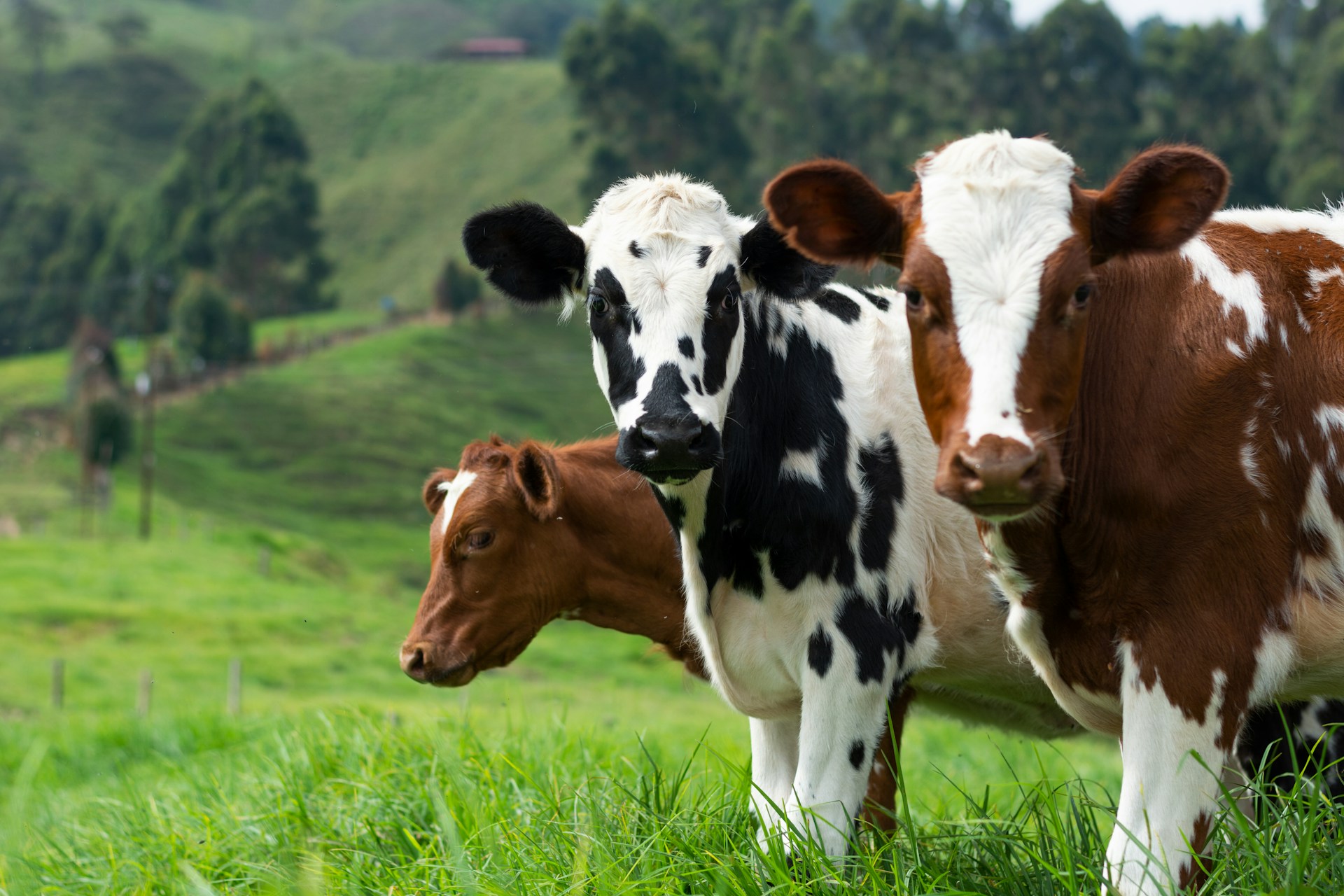
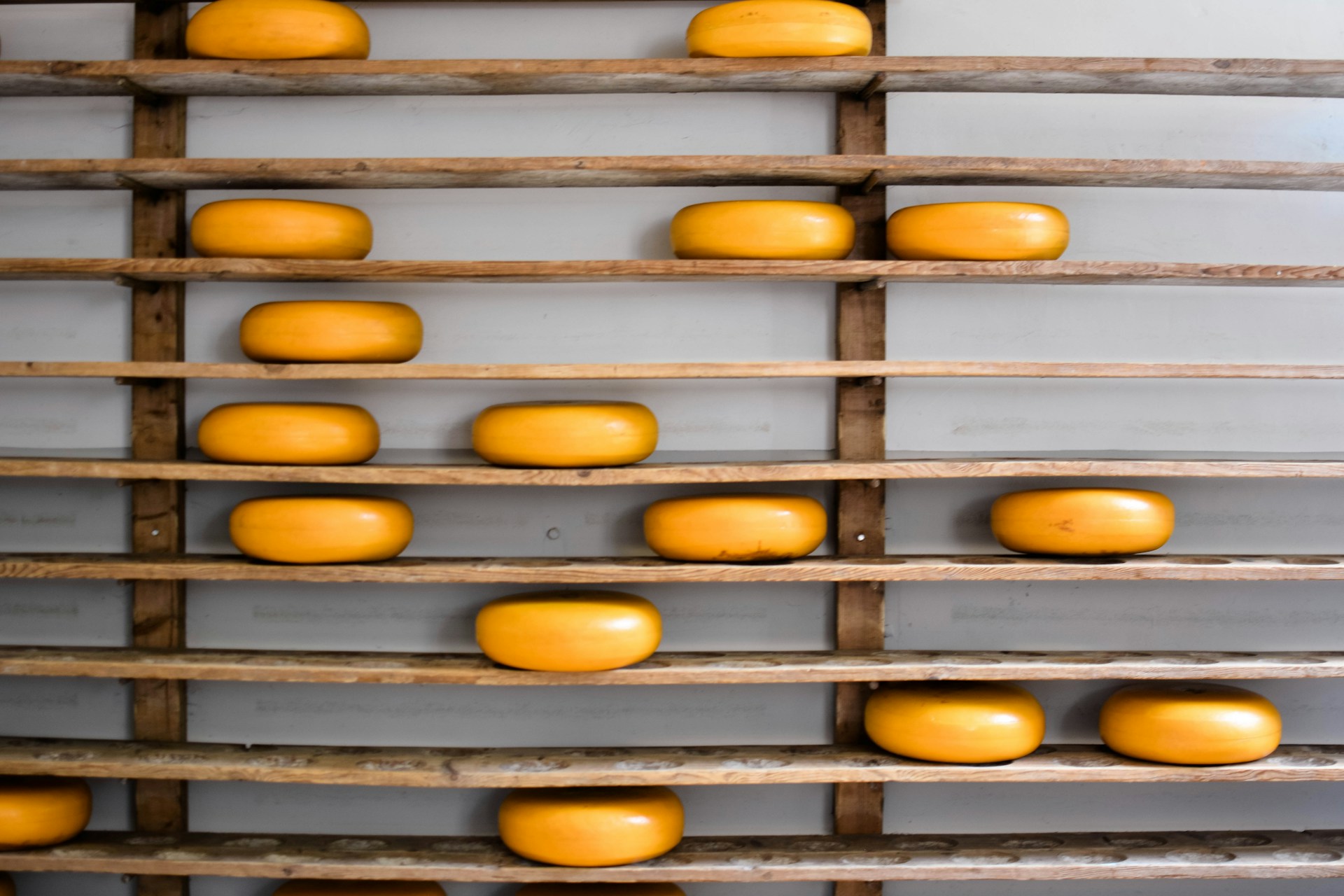
Farmstead creameries often sit beside pasture, with a viewing window that looks out on goats or cattle a few steps from the cheese room, and with shops, cafes, and garden patios close to the barns. Historic regional factories have a different character, with cavernous production rooms, large vats, and aging cellars that hold wheels of cheese through long maturation. Some cheesemakers focus on a single style, such as a Dutch gouda made from raw milk piped over from a neighboring farm’s herd, which keeps the entire process within sight of the pasture.
What Activities Can You Do on Wisconsin Cheese Factory Tours
At some creameries, glass-walled observation decks overlook the production floor, so visitors can watch vats being stirred, curds being cut and drained, and cheese being shaped without stepping into the working space. Guided creamery tours add explanation, following the process from milk to curd to finished wheel and describing how timing, temperature, and aging shape the flavor.
Tastings are central to the visit, and fresh squeaky curds are a regional favorite that squeak most distinctly soon after they are made. Some creameries also offer cheesemaking workshops where guests learn to shape and press cheese by hand, and others host pairing sessions built around raw milk cheeses and local drinks.
Farmstead creameries often add a goat farm walk or an animal encounter just outside the cheese shop, which links the wedge on the counter to the herd that produced it. Many have on-site cafes and garden patios serving cheese-forward meals, and retail shops stock fresh curds, aged wheels, wool, and other local goods, so a picnic or a gift box comes together easily before leaving.
Let us help you find a farm.
Tell us what kind of Wisconsin farm experience you're looking for, and we'll map it out for you.
Wisconsin cheese factory tours run year-round and suit any weather, since the main attractions are indoors. Early morning visits are the time to see active production, because vat stirring and curd pulling often happen before midday. Spring through autumn adds pasture walks and animal visits to the indoor tour, and winter pairs well with a warm cafe lunch and a stop at the shop.
Exploring More Farms in America’s Dairyland
Cheese stops combine well with overnight lodging, and Wisconsin farm stays let travelers spend an evening on working land after a day of tastings. In autumn, Wisconsin apple orchards add picking and cider to the route, a natural match for an aged cheddar from the shop. When winter arrives, many Wisconsin Christmas tree farms allow you to choose and cut your own fresh Christmas tree.
Why Touring a Wisconsin Creamery Is Important
Cheesemaking is a craft that Wisconsin families have carried for generations, and a tour lets visitors see the skill involved in turning milk into something with a distinct character. Watching the process and then tasting the result connects the product on the shelf to the animals, pastures, and people behind it, which gives food a context that packaging rarely shows. For the cheesemakers and farm families who open their doors, showing visitors the vats and the herd is a source of pride and a chance to explain methods that took years to learn. Time spent walking among goats, watching curds firm in a vat, or sitting on a patio with a plate of fresh cheese also offers a calm change of pace from daily routine. Visits like these help keep small-scale dairy traditions visible and valued, which supports the rural landscapes and the heritage behind Wisconsin’s dairy reputation.
Browse more Wisconsin cheese factory tours to plan your trip on Unpaved.