Wisconsin Farm Stays: Cranberry Marshes to Driftless Hills
Wisconsin farm stays allow guests on land that is still being worked, and the mornings show it, with woodsmoke and fresh hay in the crisp air and the soft sounds of farm life waking across snowy fields or sunlit pastures. Hosts range from livestock families to cranberry growers and fiber producers, and the lodging runs from simple farmhouse rooms to timber-frame lodges.
What Makes Wisconsin Farm Stays Special
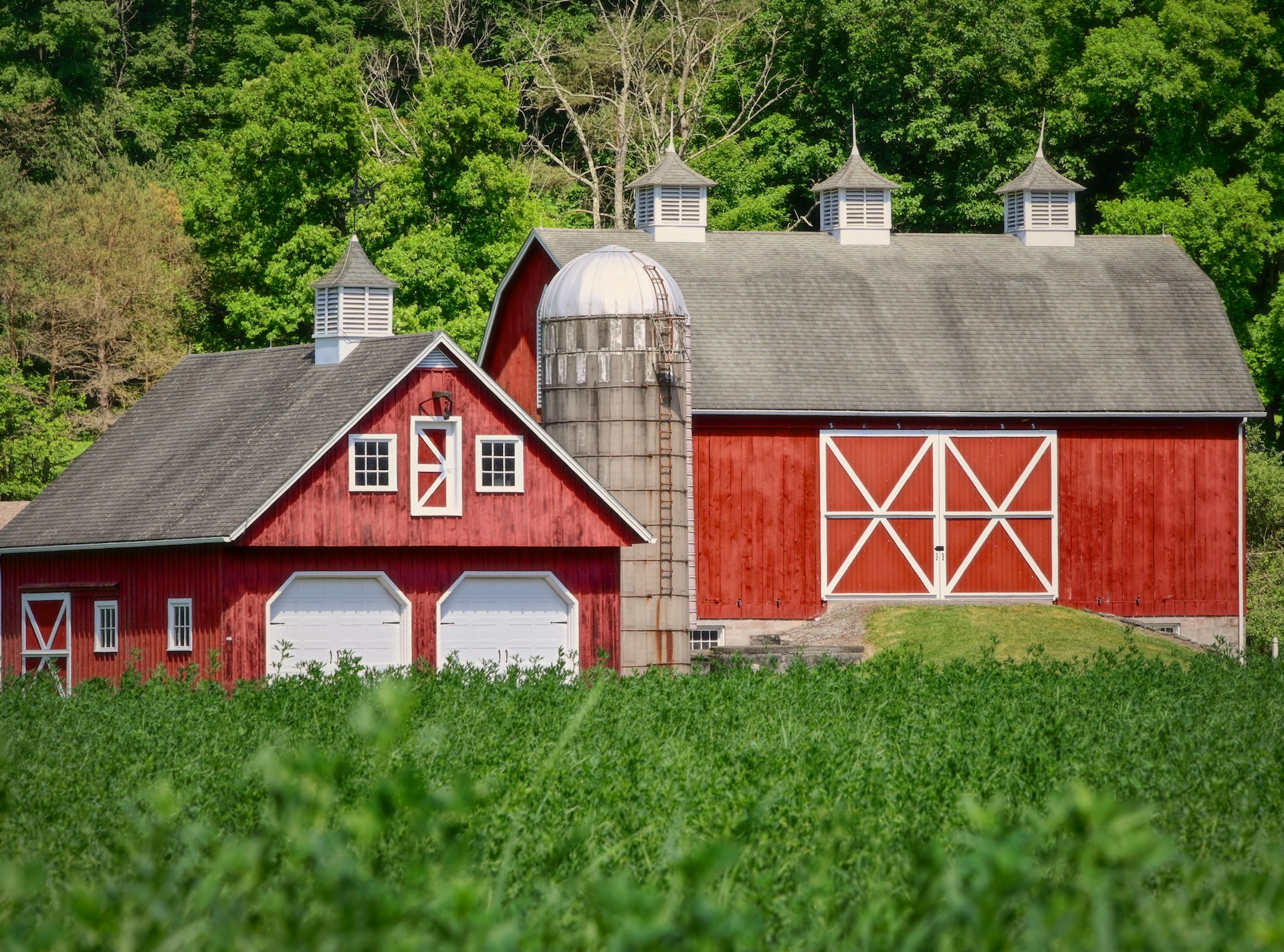
Wisconsin’s varied farmland offers several distinct settings, and the character of a stay depends on the region of the state you visit. In the central and northern parts of the state, low sandy ground and wetlands hold the cranberry marshes that give Wisconsin its agricultural reputation, with pine and hardwood forest closing in around them. The Door County peninsula adds a different picture, with orchards and small farms set between Lake Michigan and Green Bay along a shoreline of pale limestone. In the southwest, the Driftless region escaped the glaciers that flattened much of the rest of the state, so its ridges, coulees, and narrow valleys shelter small farms on steep, folded hills. Rolling dairy pasture fills much of the middle and east, with red barns and silos marking the horizon.
The farms themselves offer a wide range of settings. Some are rustic working homesteads where pasture and livestock are managed within sight of the guest lodging. Others are fruit and crop farms where the surroundings, with their marsh edges and orchard rows, set the tone for the visit, and a few are upscale boutique estates built around timber-frame lodges and craft-centered seasonal programs. Each farm is a working farm and gives guests a different view of Wisconsin agriculture.
What Activities Can You Do on Wisconsin Farm Stays
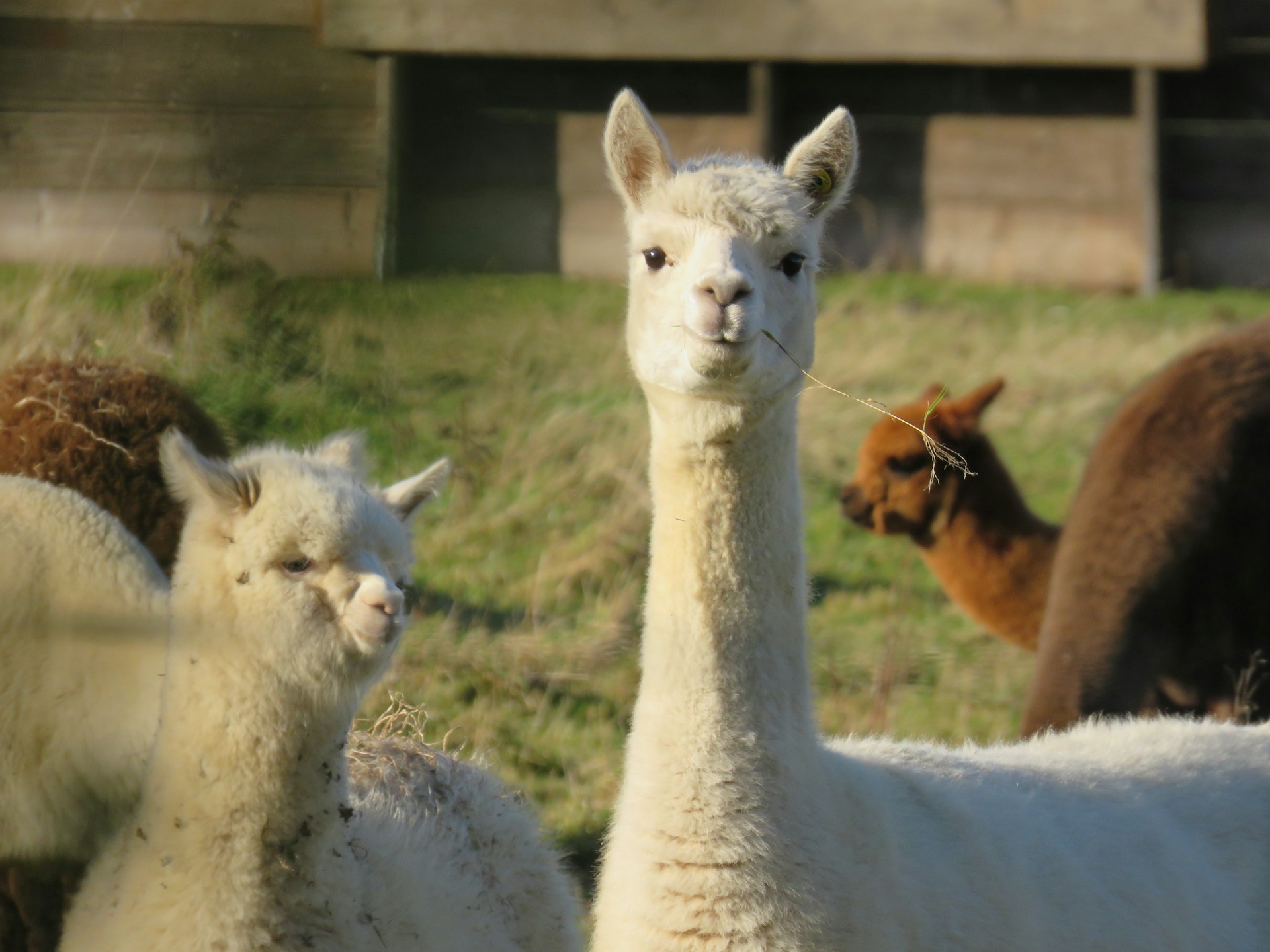
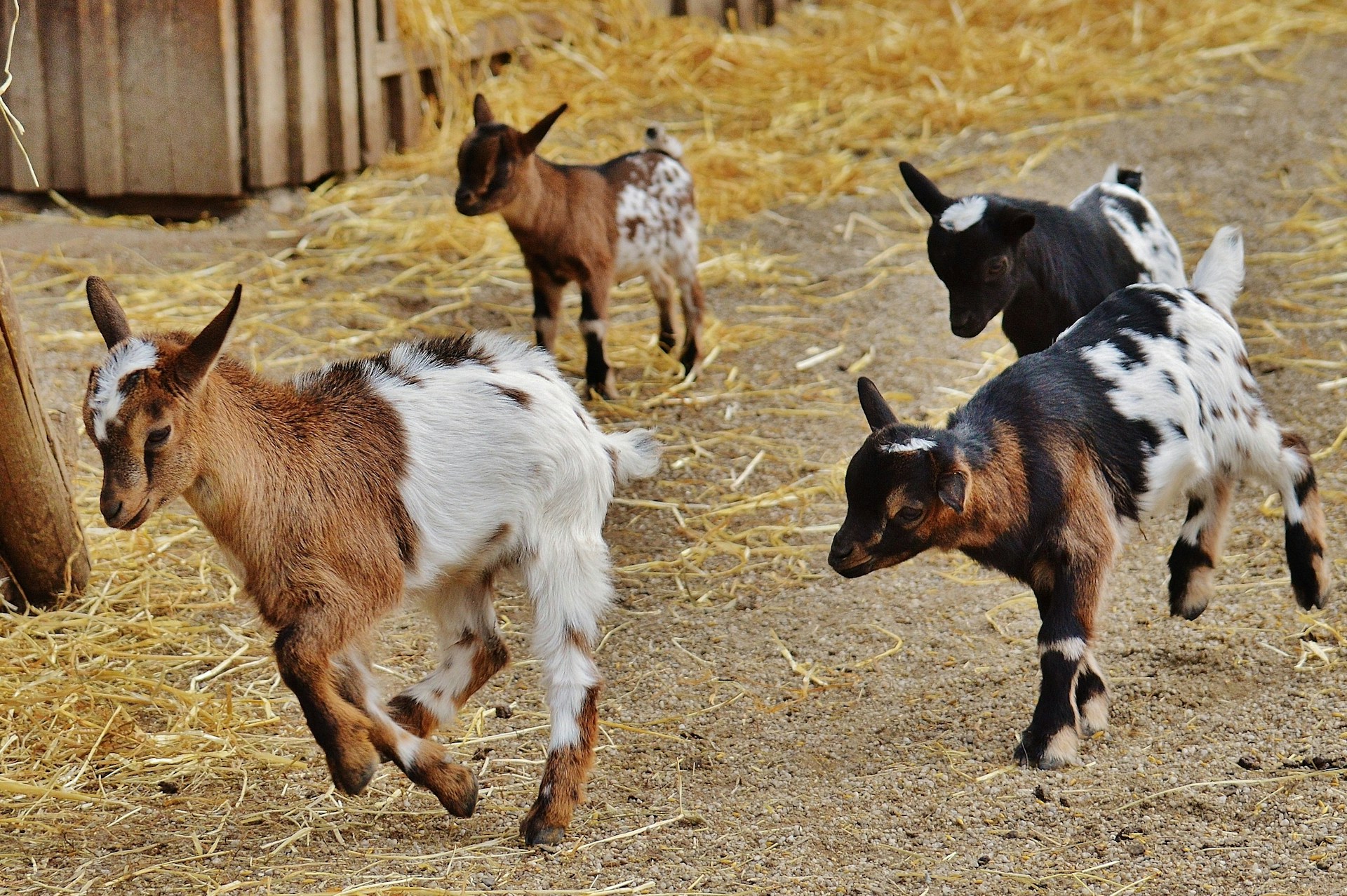
On livestock farms, visitors can often join the morning chore routine, helping with feeding and seeing how pasture rotation and herd care fit into a single day. Alpaca and sheep operations might add close animal encounters, and some run workshops in wool spinning or honey harvesting that trace a skein of yarn or a jar of honey back to its source.
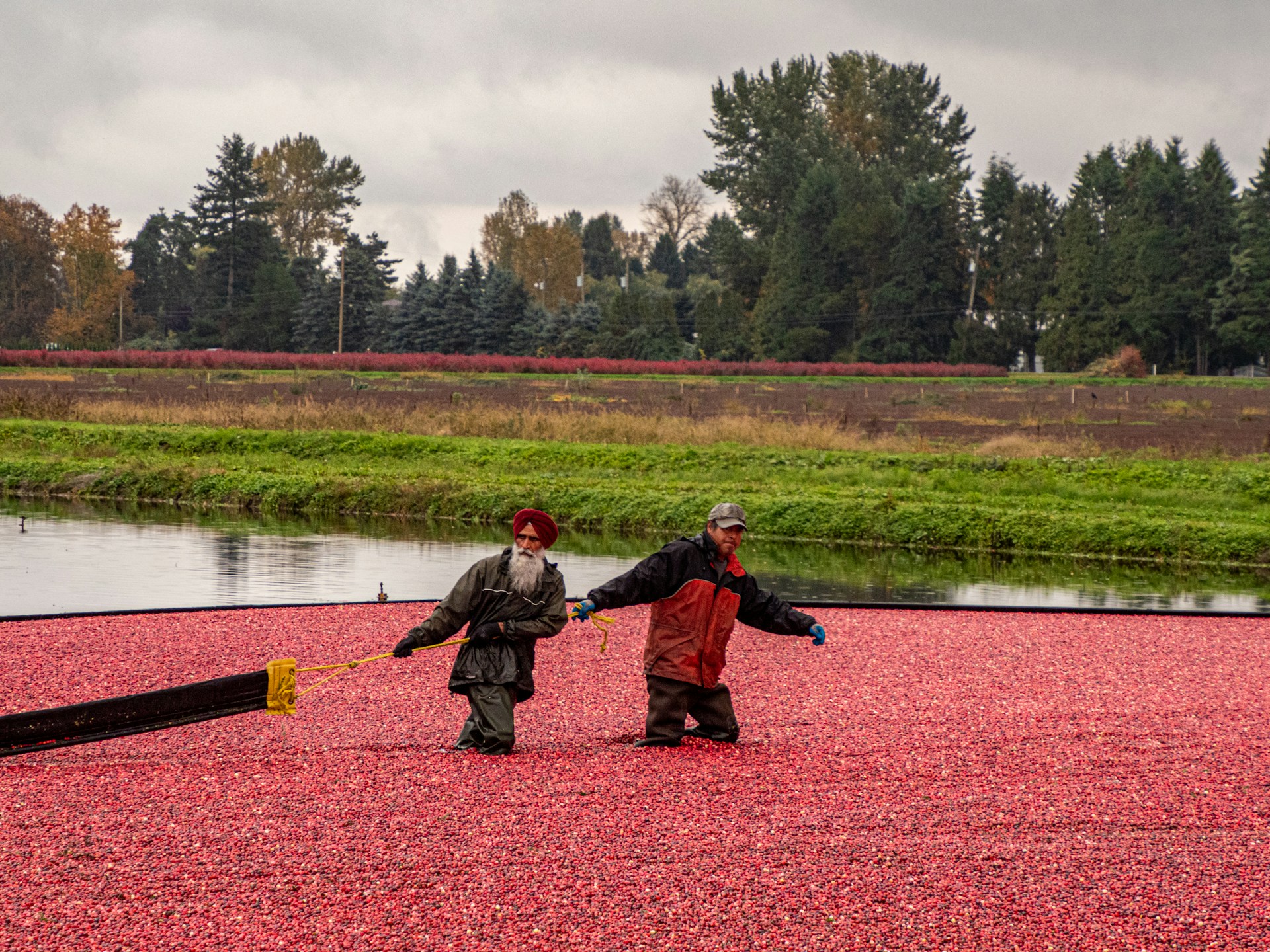
Cranberry farms offer marsh tours and, in season, harvest walks along the edge of the flooded beds, where berries gather on the surface and turn the water red in autumn. A visit in October can include watching the work that moves the crop from the marsh toward the shore, which gives the farm a clear role in the stay instead of leaving it as backdrop.
Some properties pour estate wines or offer tastings of local farm goods, and farm-to-table gatherings extend the working day into a shared evening meal. A few timber-frame venues also host celebrations, so a stay can coincide with a larger seasonal event on the farm.
Let us help you find a farm.
Tell us what kind of Michigan farm experience you're looking for, and we'll map it out for you.
Many Wisconsin farm stays are open all year, so timing comes down to the pace a visitor wants. Mid-September through October brings peak foliage and active fruit harvests, and December through February suits a quieter trip built around wood-fired warmth and snowy trails. Spring and summer bring newborn animals and green pasture for hiking.
Exploring More Farms in the Badger State
Combine an overnight stay at one farm with other seasonal visits across the state. Learn about Wisconsin’s dairy heritage with Wisconsin cheese factory tours, where milk from pastures like these becomes the product the state is most often associated with. Fall travelers can add Wisconsin apple orchards for picking and cider season, and winter visitors can start a new family tradition at one of the Wisconsin Christmas tree farms where you can choose and cut your own Christmas tree.
Why Staying on a Wisconsin Farm Is Important
A night on a working farm in America's Dairyland connects you to the people behind everyday food, fiber, and fruit. Seeing a cranberry bed flooded for harvest or animals fed at dawn makes the path from land to table concrete, and that understanding stays with you for long after the trip ends. The slower schedule gives your mind and body a chance to recover, since the day follows light, weather, and the needs of the animals. Farm families gain something too, because hosting lets them show the care that goes into their land and share stories that are part of an agricultural heritage worth keeping alive. When rural properties stay in use and in view, the working landscape of Wisconsin remains something future generations can still walk through.
Browse more Wisconsin farm stays to plan your trip on Unpaved.